African Safari Vacation Packages: What You Need to Know Before You Book
Somewhere between browsing package photos and hitting “enquire”, most people realise they have no idea what they’re actually comparing. The lion looks the same in every brochure. The camps all claim to be luxury. The prices vary by thousands of pounds with no obvious explanation. African safari vacation packages are one of those categories where the gap between a good trip and a wasted one is large — and the marketing doesn’t help you close it.
Here’s what actually matters.
Timing Does More Work Than the Destination
Most people start with where. They should start with when.
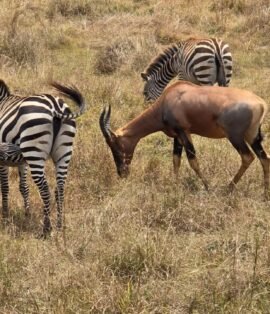
The dry season — broadly July to October in East Africa — concentrates wildlife around permanent water sources. Grass is short, animals are visible, and predator activity around shrinking waterholes is predictably high. The same parks in April look entirely different: lush, green, and largely empty of the sightings that make a safari worth the flight.
For UK travellers, this works out conveniently. East Africa’s peak game-viewing season runs through the school summer holidays, which helps with leave planning but pushes prices up. Travel in November and you’ll find the parks quieter and cheaper. The trade-off is taller grass and less predictable weather – acceptable for experienced safari-goers but less ideal for a first trip where you want reliable sightings.
African safari planning that starts with the calendar tends to produce better trips than planning that starts with a destination wish list.
What to Actually Compare in a Package
The headline price tells you almost nothing useful. What matters is inside the itinerary.
How many hours per day are you on game drives? Are those drives private or shared with other guests? What’s the vehicle capacity — six people or twelve? A full Land Cruiser with strangers is a different experience from a private vehicle with a guide whose full attention is on your group.
Accommodation deserves the same scrutiny. A tented camp within the park boundary — canvas walls, real wildlife proximity, and the kind of night sounds that make sleep optional — is often a better experience than a polished lodge a long transfer away from the action. Price doesn’t reliably predict which is which. Some of the most memorable properties in Kenya are mid-range. Some of the expensive ones are trading on name alone.
The best tour agencies will give you a clear answer when you ask these questions directly. If the response is vague or evasive, that tells you something.
Why the Operator You Book With Changes the Trip
This is the part that comparison sites can’t help with.
A UK-based aggregator selling African safari vacation packages is usually reselling packages from local operators they’ve contracted, at a margin. The local operator is the one who actually knows which guide is exceptional, which camp had a change of management six months ago, and which “exclusive concession” is located next to a busy road.
Booking through a tours and travel company that actually operates on the ground in Kenya is a different proposition. They’re not reading from the same brochure you are. They know the routes, the camps, and the staff — often personally. When conditions change or something doesn’t go to plan, they have the local relationships to fix it. A UK operator with a subcontracted network does not.
African travel companies with genuine Kenya operations — not just a partnership with a local DMC — tend to produce more consistent results, particularly on private itineraries where you’re building something specific rather than slotting into a set package.
Creeks Tours and Travel is one of those companies. They’re a Kenyan-based operator with ground-level knowledge of the routes and camps, handling both group and private safaris. Worth contacting directly if you’re trying to plan something that goes beyond the standard package options.
A Few Things That Catch First-Timers Out
Weight limits on light aircraft transfers between bush camps are strict — typically 15kg in a soft bag. Airlines enforce this. A hard-sided suitcase isn’t getting on the plane.
The morning game drive matters more than most itineraries imply. The best activity is usually in the first hour after sunrise, when predators are still moving and the light is good. An experienced guide who was paying attention the night before knows where to go. One who arrives at eight with a flask of coffee and no plan is a different story.
Conservancy areas outside national park boundaries are worth knowing about. They allow night drives and off-road tracking and generally run fewer vehicles than the parks themselves. If african safari planning is starting to feel complicated, talking to an actual specialist — rather than building a trip from scratch on a comparison site — is usually faster and produces a better result. A decent tours and travel company asks the questions that help you work out what you actually want, not just what looks good in a grid of options.
Which Parks to Consider for a First Safari
Kenya’s Masai Mara is the obvious starting point — it’s well established, has high wildlife density, and the Great Migration brings wildebeest in enormous numbers between July and October. Amboseli has the Kilimanjaro backdrop and large elephant herds. Samburu in the north is drier and more remote, with species you won’t see in the south.
Tanzania’s Serengeti and Ngorongoro Crater are worth serious consideration if you’re open to crossing the border. The Crater in particular is one of the more reliable game-viewing spots on the continent — it’s a contained ecosystem with resident big cats, elephants, and black rhinos in a relatively small area.
A good operator from any reputable African travel company’s shortlist should be able to help you weigh these up against your dates and budget without pushing you toward whichever camp they make the most margin on.