Kenya Safari Tour Packages: What to Know Before You Book
Kenya safari tour packages are not all pointing at the same destination. Some are genuinely excellent. Others look the part in a brochure, move groups between lodges on a tight schedule, and leave you wondering what all the fuss was about. The difference usually isn’t the landscape — Kenya’s parks are extraordinary regardless — it’s the decisions that were made before you got on the plane.
Here’s what actually matters when you’re comparing options.
The Timing Question Nobody Warns You About
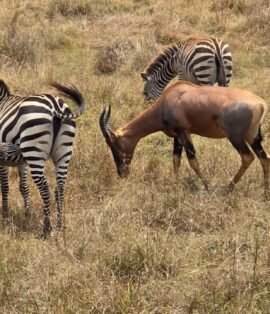
The dry season runs from late June through to October, and this is when the Masai Mara earns its reputation. Wildlife concentrates around water sources, the grass stays short, and game drives in the early morning can produce the kind of sightings that don’t look real in photographs. The Great Migration — wildebeest and zebra crossing into Kenya from Tanzania — peaks between July and September. If you want to see it, you need to be there then. It doesn’t wait.
For UK travellers, that window lines up with the summer holidays, which keeps demand high and prices with it. If you can manage November or late January instead, the parks are quieter, cheaper, and still genuinely good — you’ll just find longer grass and occasionally murkier skies. Worth considering if your flexibility allows it.
What a Kenya Safari Tour Package Actually Includes — and What to Check for
The headline price rarely tells the story. When comparing Kenya safari tour packages, the detail that matters most is the daily game drive structure. How many hours on the vehicle? Are drives shared with other guests or private? What’s the maximum group size per vehicle? A Land Cruiser with eight people gives you a meaningfully different experience from one with four.
Where you sleep matters too, though not in the way the star ratings suggest. A tented camp sitting inside or directly adjacent to a reserve — canvas walls, real darkness, and animals moving past in the night — tends to be more memorable than a lodge with a swimming pool forty minutes from the park boundary. The price doesn’t always signal which is which. Read the itinerary carefully rather than the accommodation description.
Why Booking With a Ground-Level Operator Changes Things
Most UK-facing safari companies are aggregators. They package up itineraries using subcontracted local operators, which adds a layer of distance between you and the people who actually know the parks. A reputable tours and travel agency operating on the ground in Kenya will know which camps recently changed management, which guides are exceptional right now, and which properties photograph beautifully but disappoint in person. That information doesn’t appear on a comparison site.
Creeks Tours and Travel is a tour operator in Kenya with direct ground-level knowledge of these routes – Amboseli, the Mara, Samburu, and Tsavo. They handle both private itineraries and group departures, which is useful if you have specific requirements rather than a schedule you need to fit yourself into.
The Parks Worth Knowing
Kenya has a dozen credible safari destinations, but a few come up repeatedly for good reason.
The Masai Mara is the obvious starting point — wildlife density is genuinely hard to match elsewhere, and the reserve has the infrastructure to handle visitors well. Amboseli gives you elephants against the backdrop of Kilimanjaro on a clear morning, which is one of those sights that remains unreasonable regardless of how many times you’ve seen photographs of it. Samburu in the north is drier and wilder and home to species you won’t find in the south — Grevy’s zebra, reticulated giraffe, and Somali ostrich. Worth considering if you’ve done the Mara before and want something less familiar.
For first-timers, a circuit that combines two or three parks over seven to ten days gives you variety without the fatigue of constant movement.
Four Practical Notes Before You Book
Weight limits on light aircraft transfers between camps are strict — typically 15kg in a soft bag, enforced at check-in. Pack accordingly.
Get out early. The best game activity is in the two hours after dawn, consistently. A driver who knows where the action was the previous evening and has you positioned before the light goes flat is worth considerably more than one who arrives at eight with coffee and no urgency.
Book accommodation inside or directly adjacent to the park where possible. Private conservancies on the park boundary often allow night drives and walking safaris — both of which are prohibited inside most national parks. That flexibility is worth factoring into the decision.
If you’re finding the planning genuinely complicated, that’s normal. The options are numerous, and the variables stack up quickly. Speaking to a travel agent in Kenya who operates on the ground — rather than building an itinerary from comparison tabs — will give you a faster route to something that actually fits what you want.