Kenya Safari Tour Packages: What to Know Before You Book
Most people researching Kenya safari tour packages spend the most time on the wrong things. They compare headline prices, scroll through lodge photos, and read the bullet points about Big Five sightings – and then wonder why the trip they booked didn’t quite match what they’d imagined.
The gap between a safari that genuinely delivers and one that quietly disappoints almost never comes down to the parks themselves. Kenya’s wildlife is extraordinary across the board. The difference lies in timing, who puts the itinerary together, and whether the person arranging your trip has actually been there recently or just knows how to describe it.
Why Kenya Specifically
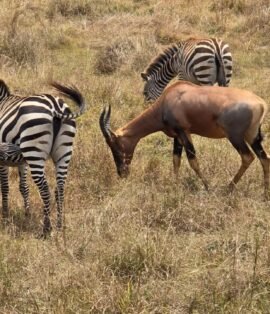
There’s a reason Kenya is where most people’s safari planning eventually lands. The infrastructure is solid, the guides are experienced, English is widely spoken, and the wildlife density in the Masai Mara, Amboseli, and Samburu is as good as anywhere on the continent. Amboseli alone – flat open plains, enormous elephant herds, Kilimanjaro filling the horizon – is worth the flight by itself.
Kenya is also the right choice for first-timers. The roads that lead into the main parks are well-maintained compared to much of East Africa; light aircraft connections between camps are routine, and the network of lodges and tented camps covers every budget from comfortable-and-functional to properly indulgent.
The Season Question Nobody Emphasises Enough
If there’s one thing the Kenya tour companies and travel sites consistently underplay, it’s this: when you travel matters more than where you stay. The dry season runs roughly from June to October. Wildlife concentrates around water sources, the grass stays short, visibility is excellent, and the Masai Mara during the Great Migration (July through October) is as dramatic as it sounds. River crossings can keep you watching for hours.
For UK travellers, the dry season lines up neatly with school summer holidays, which is convenient but means prices reflect the demand. If you travel in November or April and you’ll find the same parks noticeably quieter and considerably cheaper. The trade-off is taller grass and less predictable weather, not a disaster, just different.
What to Actually Compare When You’re Looking at Packages
The headline price tells you almost nothing useful. What matters is the detail underneath. How many game drives per day, and for how long? Are they shared drives with other guests or private? What’s the maximum number of passengers per vehicle? A Land Cruiser with ten people in it is a fundamentally different experience from one with four, particularly when everyone wants to photograph the same leopard.
Accommodation is worth thinking about differently too. A tented camp inside or on the edge of the reserve (canvas walls, real sounds, and no perimeter fence between you and whatever’s walking past at 2am) is usually a better safari experience than a hotel-style lodge forty minutes from the action. The price doesn’t reliably predict which is which. A good travel agency in Kenya that operates on the ground knows the difference between a property that photographs well and one that actually delivers.
Why Ground-Level Knowledge Changes the Trip
There’s a meaningful difference between booking through a UK-based aggregator and booking directly with tour companies in Kenya who work these routes every week. Local operators know which camps recently changed management, which guides are exceptional right now, and which lodges in the brochures don’t quite match the current reality. That kind of operational knowledge simply doesn’t exist on a comparison website.
It also matters when things shift. A bridge washes out. A park section closes temporarily. An unusual concentration of big cats has appeared somewhere off the standard itinerary. A good Kenyan tour company hears about these things the same day. A UK booking platform hears about them when the complaints come in.
Creeks Tours & Travel handles both private and group Kenya safari tour packages, which makes a practical difference if you have a specific trip in mind rather than fitting yourself into a fixed schedule. The ability to adjust an itinerary — different parks, different pacing, adding a beach extension in Diani — is worth having.
Four Things Worth Knowing Before You Go
Pack lighter than you think you need to. Bush flight transfers between camps operate on small aircraft with a 15kg soft-bag limit, and airlines enforce it properly. A hard-shell suitcase is a genuine problem at Wilson Airport at 6am. A soft duffel solves it.
Book the early drives. The first two hours after dawn are when the good sightings happen — predators finishing their night, herds moving before the heat builds. A guide who knows where the action was the previous evening and positions you there before the light goes flat is worth more than most upgrades.
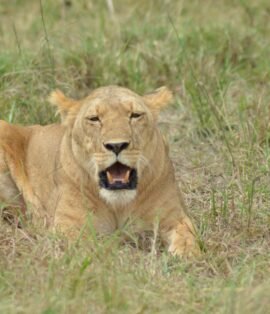
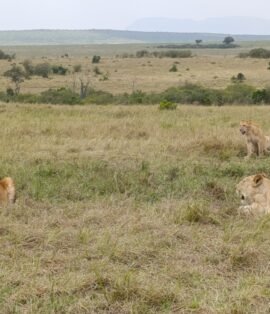
Consider conservancies alongside national parks. Areas like Mara North and Ol Pejeta, which sit outside the main park boundaries, often offer better game viewing per vehicle than the busier national park sections — and they permit night drives, which most national parks do not.
Finally, if the planning is starting to feel complicated — which is fair, because there are a lot of moving parts — talk to an actual specialist rather than assembling an itinerary from a grid of online packages. A good travel agency in Kenya will ask questions that help you work out what you actually want from the trip, not just what looks compelling in a photograph.