Kenya is a year-round safari destination, but each month gives you something different. Here is what changes from January to December (weather, wildlife, the Great Migration, crowds and price), so you can pick the month that suits your trip.
People ask us this question more than any other. A short answer would be easy, but it would let you down. Kenya sits on the equator, so it has no summer or winter. It has two dry seasons and two rainy seasons, and between them the country changes its colours, its crowds and its prices. A traveller who comes in February and one who comes in August can both have a superb safari. They will simply have different ones.
This guide walks through the year the way our planners in Nairobi think about it. We cover what the weather does, where the animals are, what it costs, and who each season suits best.
Kenya's safari calendar at a glance
Here is the whole year on one chart. Darker squares are better. Hover over or tap any square to see the rating.
| Month | Jan | Feb | Mar | Apr | May | Jun | Jul | Aug | Sep | Oct | Nov | Dec |
|---|---|---|---|---|---|---|---|---|---|---|---|---|
| General game viewing | Excellent | Excellent | Good | Fair | Fair | Good | Excellent | Excellent | Excellent | Excellent | Good | Good |
| Migration in the Mara | Poor | Poor | Poor | Poor | Poor | Poor | Good | Excellent | Excellent | Good | Poor | Poor |
| Dry weather | Excellent | Excellent | Good | Poor | Poor | Good | Excellent | Excellent | Excellent | Good | Fair | Good |
| Value & fewer crowds | Good | Good | Good | Excellent | Excellent | Good | Poor | Poor | Fair | Fair | Excellent | Fair |
| Birdwatching | Excellent | Excellent | Excellent | Good | Fair | Fair | Fair | Fair | Fair | Good | Excellent | Excellent |
| Coast & beach | Excellent | Excellent | Good | Poor | Poor | Fair | Good | Good | Excellent | Excellent | Good | Excellent |
The four seasons that shape a Kenya safari
Cool mornings, warm afternoons and very little rain. The grass is short and the water holes are few, so wildlife is easy to find. The Great Migration is in the Maasai Mara. This is Kenya at its most dramatic, and also at its busiest and most expensive.
Short afternoon storms, often followed by clear evenings. The land turns green almost overnight, migrant birds arrive from Europe and Asia, and prices drop. It's a lovely, underrated time to come.
Hot, dry and clear. Many animals give birth around now, so there are young animals everywhere and predators are busy. Kilimanjaro is often clearest over Amboseli in these months. Mara fees are half the peak rate.
The heaviest rain of the year, usually in the afternoons and at night. Some camps close, roads can get muddy, and the parks are almost empty. Rates are at their lowest. The light and the greenery make it a favourite with photographers.
Month by month: what to expect
January and February
This is the dry season that most people overlook, and it's among our favourite times to guide. The skies are clear, the days are hot (around 28°C / 82°F at midday in the Mara) and the animals stay close to rivers and water holes. Herbivores give birth in these weeks, so there are calves and lion cubs about, and the predators are hunting.
The Maasai Mara reserve fee for non-residents is $100 per adult per day from January to June, half the peak-season rate. On a five-night safari that saves a couple of hundred dollars per person before you even look at lodge rates.
March
March is a transition month. The early part is usually dry and excellent. Towards the end, the first long rains can arrive. Lodges start offering green-season rates, so if your dates are flexible, the first half of March is often great value.
April and May
These are the long rains. It doesn't rain all day: most mornings are bright, and storms build up in the afternoon. But it rains hard, some smaller camps close for maintenance, and a few roads get difficult. So why come?
- Price. This is the cheapest time of year for lodges and camps across Kenya.
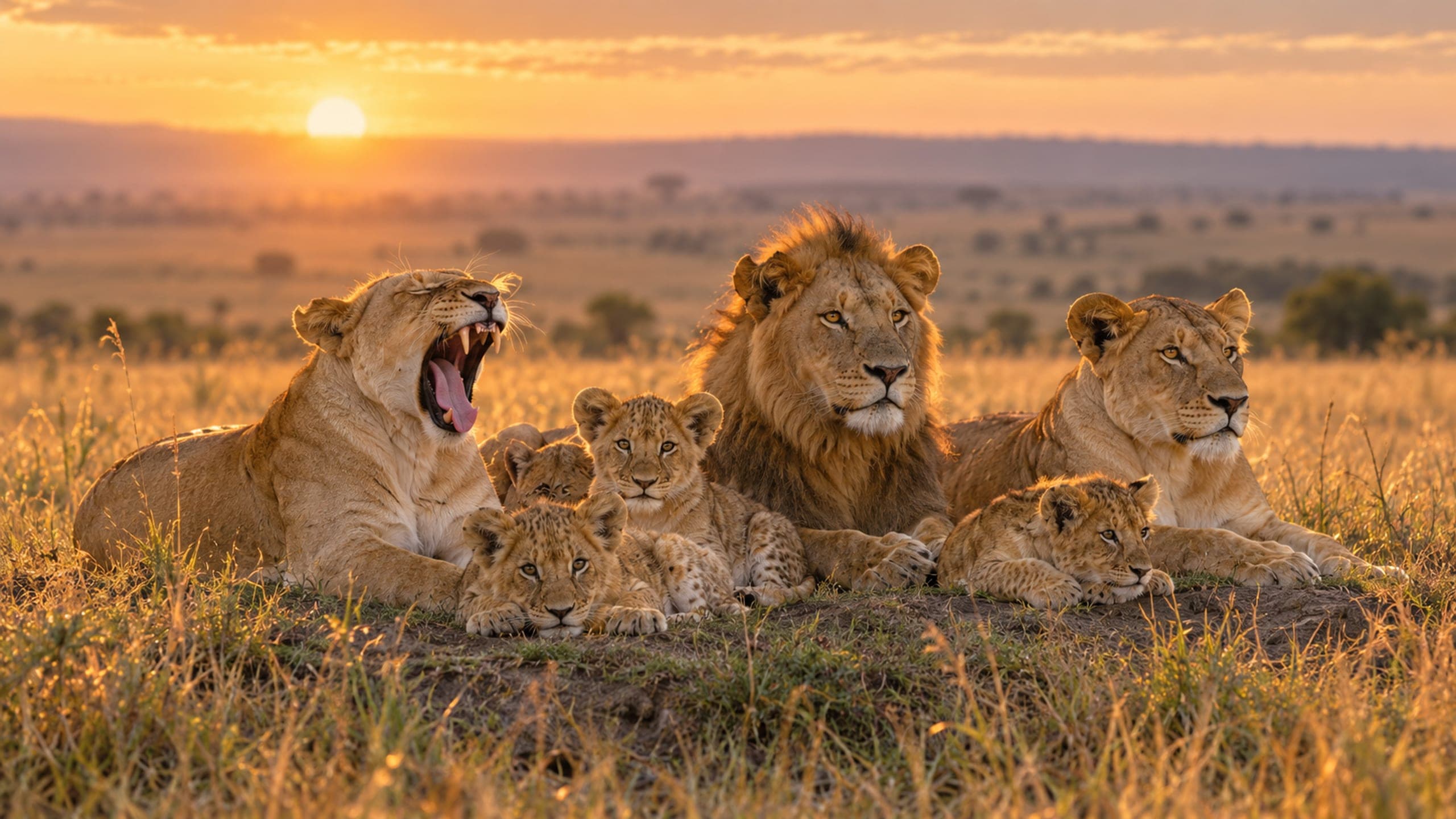
- Space. You can sit with a pride of lions for an hour and see no other vehicle.
- Beauty. The plains are bright green, the air is clear of dust, and the skies are dramatic. It's the best light of the year for photography.
June
Rains ease off, the grass is still long and green, and the crowds haven't arrived. Many lodges are still on shoulder-season rates through June. Late June is often when the first migrating herds appear on the northern edge of the Serengeti, close to the Kenyan border.
July to October: peak season
This is the classic safari season, and it deserves its reputation. Dry weather thins the vegetation, animals gather at permanent water, and from about mid-July the wildebeest and zebra of the Great Migration pour into the Maasai Mara. River crossings on the Mara River are most frequent in August and September, though the herds don't follow a timetable.
The trade-offs are real. From 1 July the Maasai Mara reserve fee doubles to $200 per adult per day, lodges charge their highest rates, and the most popular camps fill up 9 to 12 months in advance. If you want to travel in August, we strongly recommend booking the year before.
November and early December
The short rains come in short bursts, mostly in the afternoon. The country turns green again and lodge prices drop after October. Bird life is at its richest because Palearctic migrants arrive from Europe and Asia. Lake Nakuru and Lake Naivasha are wonderful now. The migration has usually headed back south into Tanzania, but the Mara's resident lions, cheetahs, leopards and elephants stay all year.
Late December
The Christmas and New Year fortnight is a peak of its own. The weather is usually lovely, but families from Kenya and abroad fill the lodges, and festive rates apply. Book early.
Best time by park
Different parks peak at different times. Here's how we'd time the parks on our most popular routes.
| Park | Best months | Why |
|---|---|---|
| Maasai Mara | July – October; January – February | Migration and river crossings from July. Superb resident predators all year. |
| Amboseli | June – October; January – February | Elephants gather in the swamps in the dry season. Kilimanjaro is clearest in the early morning. |
| Lake Nakuru | Year-round | Rhino, flamingo and tree-climbing lions are resident. Birding is best November – April. |
| Samburu | June – October; January – March | Semi-arid, so it stays fairly dry. Wildlife gathers along the Ewaso Nyiro river. |
| Tsavo East & West | June – October; January – February | The dry season concentrates the famous red elephants around Mzima Springs and the Galana river. |
| Diani, Lamu & Zanzibar | July – March | Avoid April – May, when coastal rains and humidity peak. |
Which season suits you?
Reliable weather, short grass and the migration. If your budget allows peak season, it rarely disappoints. January – February is the smart alternative.
Lower lodge rates, a $100 Mara fee for the first half of the year, and empty roads. Bring a light rain jacket and keep your plans flexible.
Clean air, dramatic skies, green backgrounds, and young animals with predators hunting them. February in the Mara is a photographer's dream.
School holidays line up with excellent weather. Book a year ahead, and look at our family safari guide for routes that keep drives short.
Dry, warm and quieter. These months combine well with a few days on the coast. See how to pair the bush with the beach.
Kenya has over 1,100 recorded bird species. Migrants from Europe and Asia arrive in November, and the Rift Valley lakes are at their busiest.
How we'd plan it
There's no wrong time to see Kenya, only the wrong trip for the season. In peak season we lock in the best-placed camps early and plan game drives to avoid crowds at the river. In green season we pick lodges on all-weather roads, add more nights so a rainy afternoon doesn't matter, and pass the savings on to you.
Frequently asked questions
What is the best month for a safari in Kenya?
August and September are the best months overall. The weather is dry, game viewing is excellent and the Great Migration is in the Maasai Mara, with frequent Mara River crossings. February is the best alternative: it's dry and quiet, there are young animals everywhere, and the Mara reserve fee is half the peak rate.
Is it worth going on safari in Kenya during the rainy season?
Yes, if you plan for it. The long rains (April and May) usually fall in the afternoon and at night, so mornings are often clear. You get the lowest prices of the year, empty parks and beautiful green landscapes. The trade-offs are muddy roads, some closed camps and no migration in the Mara.
When can you see the wildebeest river crossings in Kenya?
Mara River crossings usually happen from mid-July to October, and are most frequent in August and September. Crossings depend on rainfall and the herds' own decisions, so no one can promise a crossing on a given day. Spending two or three full days in the northern Mara gives you the best chance.
When is the cheapest time to go on safari in Kenya?
April and May are the cheapest months, followed by early June and November. The Maasai Mara reserve fee for non-residents is $100 per adult per day from January to June, compared with $200 from July to December, and lodges drop their rates to match.
Is December a good time for a Kenya safari?
Early December is good: the short rains are fading, the country is green, and prices are reasonable. The Christmas to New Year period is a peak season with festive rates and full lodges, so book that fortnight well in advance.