The best first safaris aren't the most expensive. They're the best planned. These are the 20 things our Nairobi team tells every first-time traveller, from choosing your lodge to what really happens on a game drive.
Every week someone lands in Nairobi for their first safari, and by the end of the trip almost all of them say the same thing: "I had no idea it would feel like this." A first safari is the start of something. It's also easy to get small things wrong that cost you time with the animals. Here's what we tell every first-timer, collected from years of guiding and planning.
A day on safari, hour by hour
Before the tips, here's what a typical day actually looks like, so you know what you're signing up for.
- 5:45Wake-up callCoffee at your tent
A gentle "good morning" outside your tent, with hot coffee or tea and a biscuit. It's cool, so layers go on.
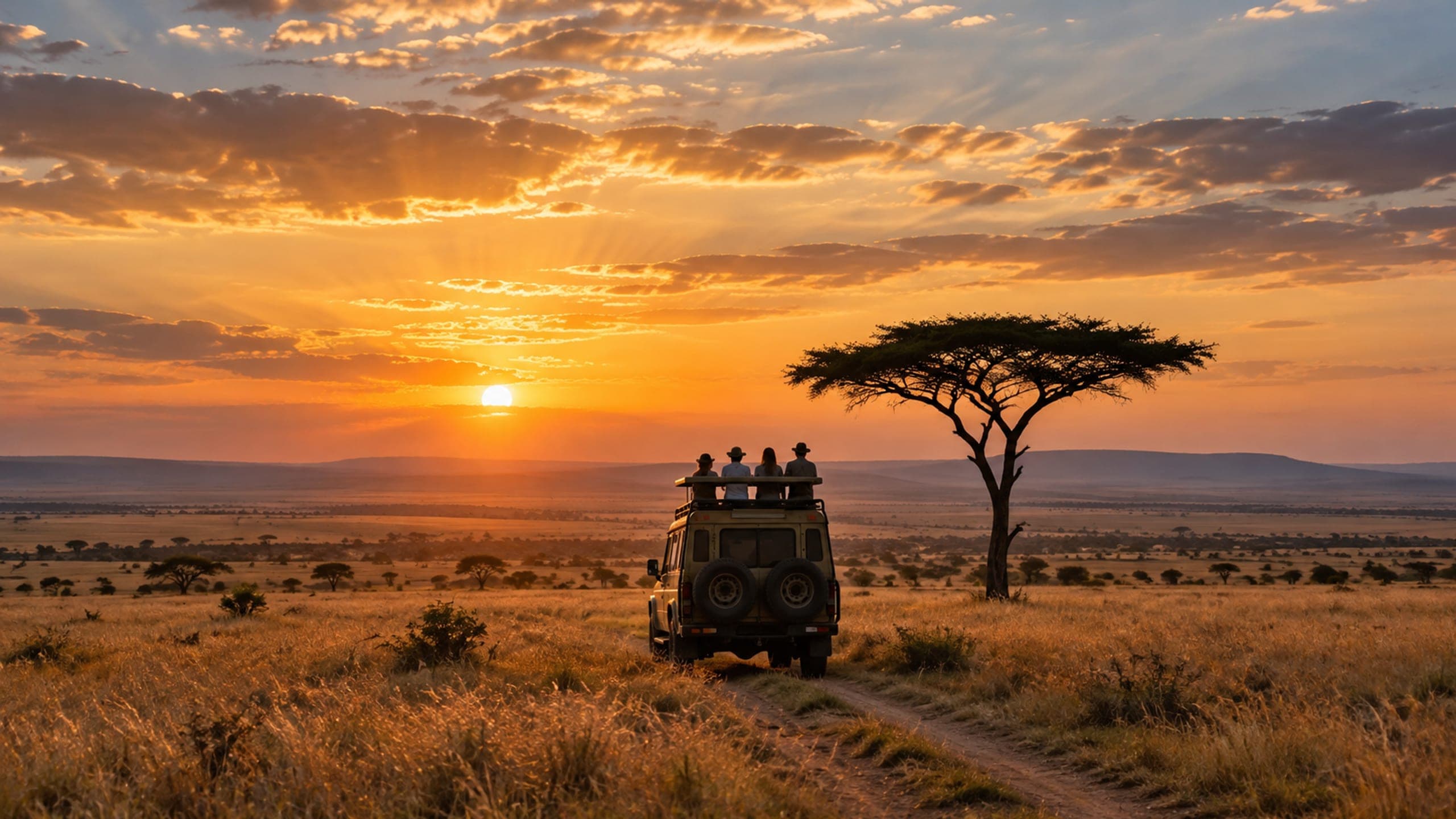
- 6:15Morning game driveThe golden hours
Out as the light comes up. Predators are still active from the night, the air is cool, and the light is beautiful. This is when most big cat sightings happen.
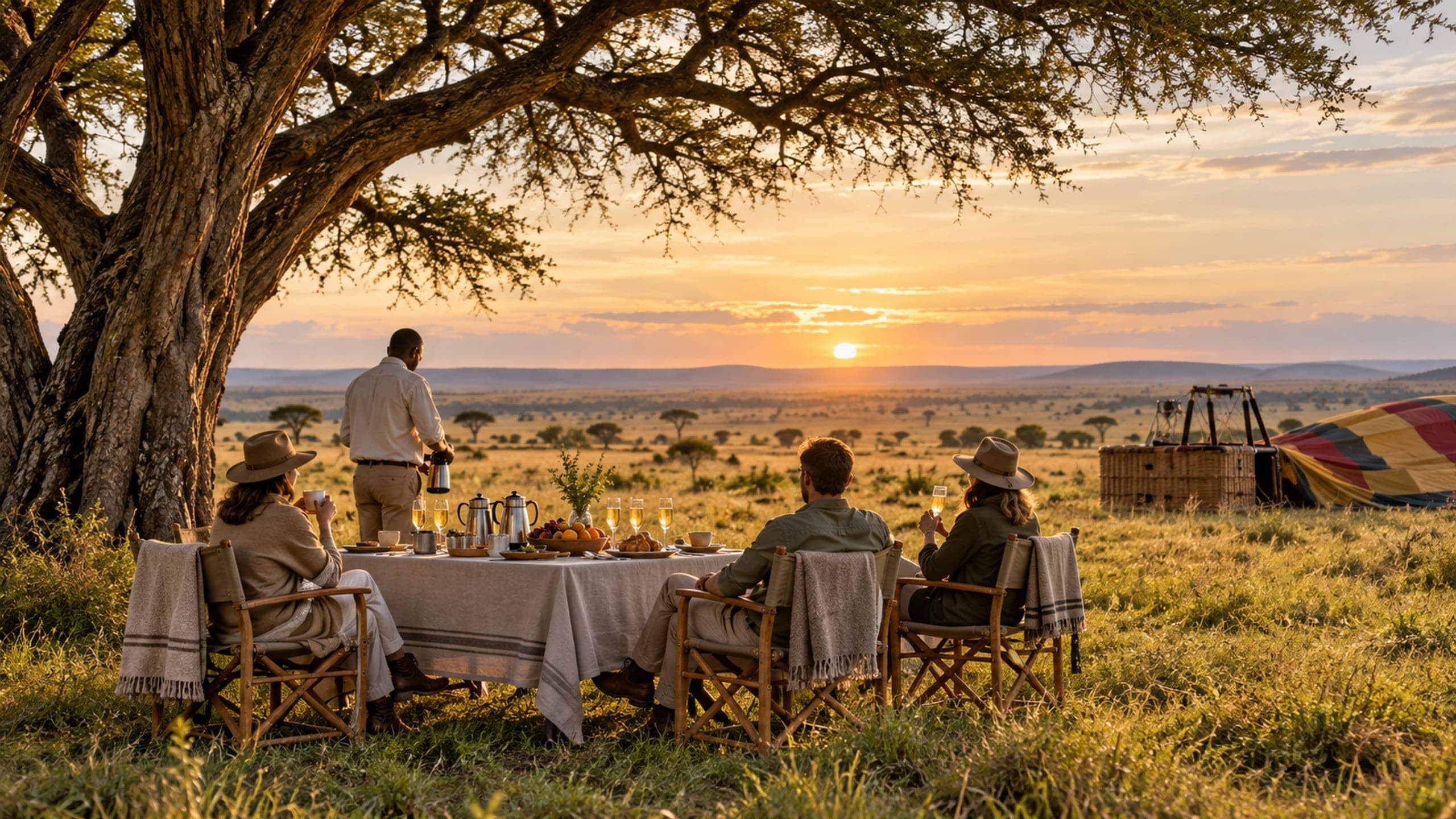
- 9:30BreakfastIn the bush, or back at camp
A full breakfast under an acacia tree, or back at camp. On full-day drives, a packed breakfast and lunch let you stay out with the herds.
- 1:00Lunch & siestaRest while the animals do
In the midday heat, most animals sleep, and so should you. Read, swim, or watch the waterhole from your veranda.
- 4:00Afternoon game driveOut again as it cools
Elephants come down to drink, lions stir, and the light turns gold.
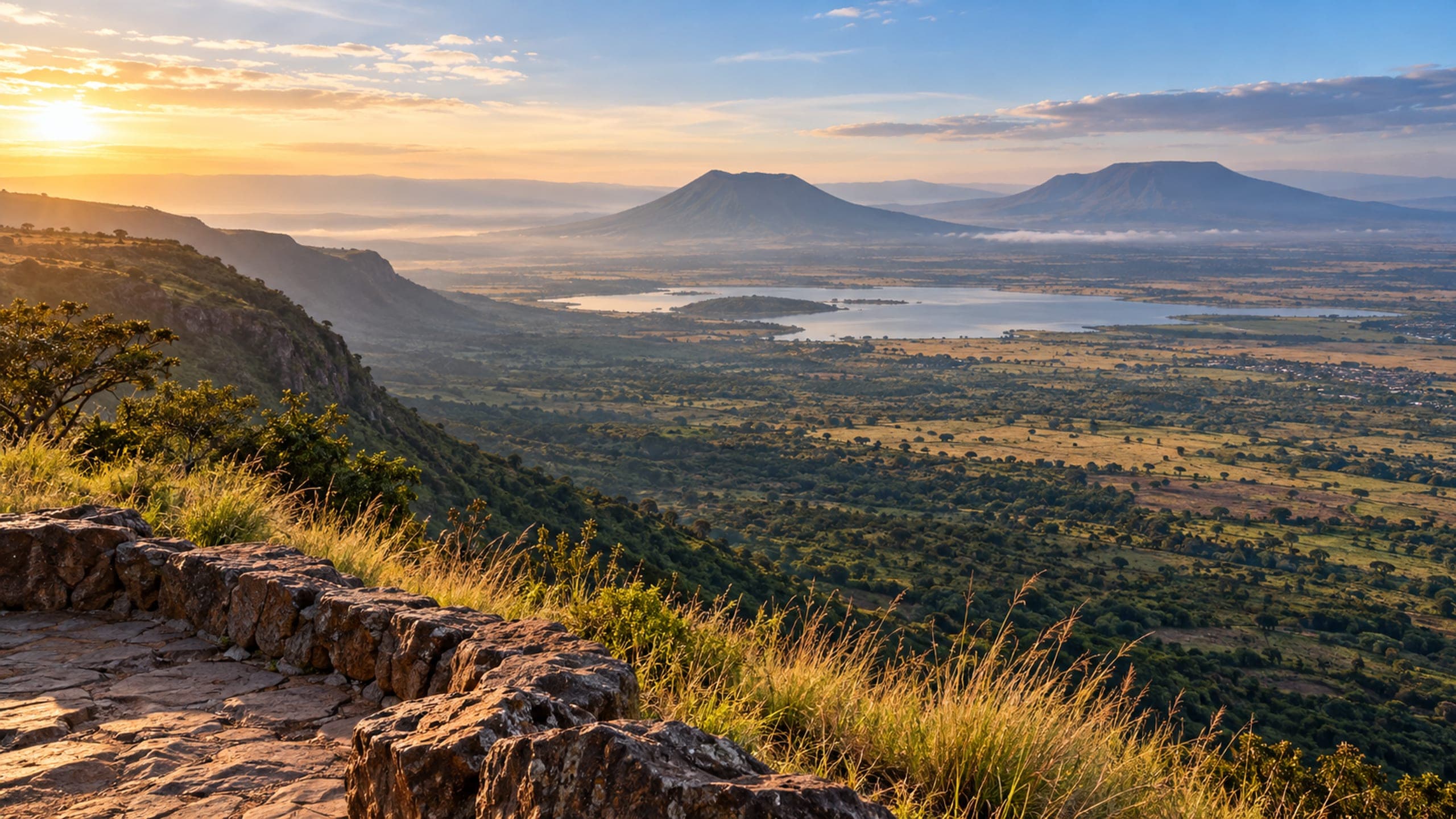
- 6:30SundownerA drink as the sun sets
A cold drink on a hilltop as the sky turns orange. It's one of the great rituals of safari.
- 7:30DinnerStories by the fire
Dinner, the day's sightings, and the sound of hyenas whooping in the dark.
Before you go
The migration is in the Mara from July to October; calving is in the southern Serengeti in February. Decide what you want to see and when, and the right park follows. Our month-by-month guide helps.
Every change of park costs half a day on the road. Two parks over six days is better than four. You'll see more, and enjoy it more.
A lodge inside the reserve or a short drive from the gate can add two hours a day of game viewing compared with a cheaper option further out.
A private vehicle means your pace, your stops and your timing. For families and small groups it often costs little more per person than a shared tour.
The leopard in the tree, the eagle on the branch. One shared pair means someone always misses the moment.
Kenya's eTA and new travel health insurance requirement take a few days. See our entry requirements guide.
On game drives
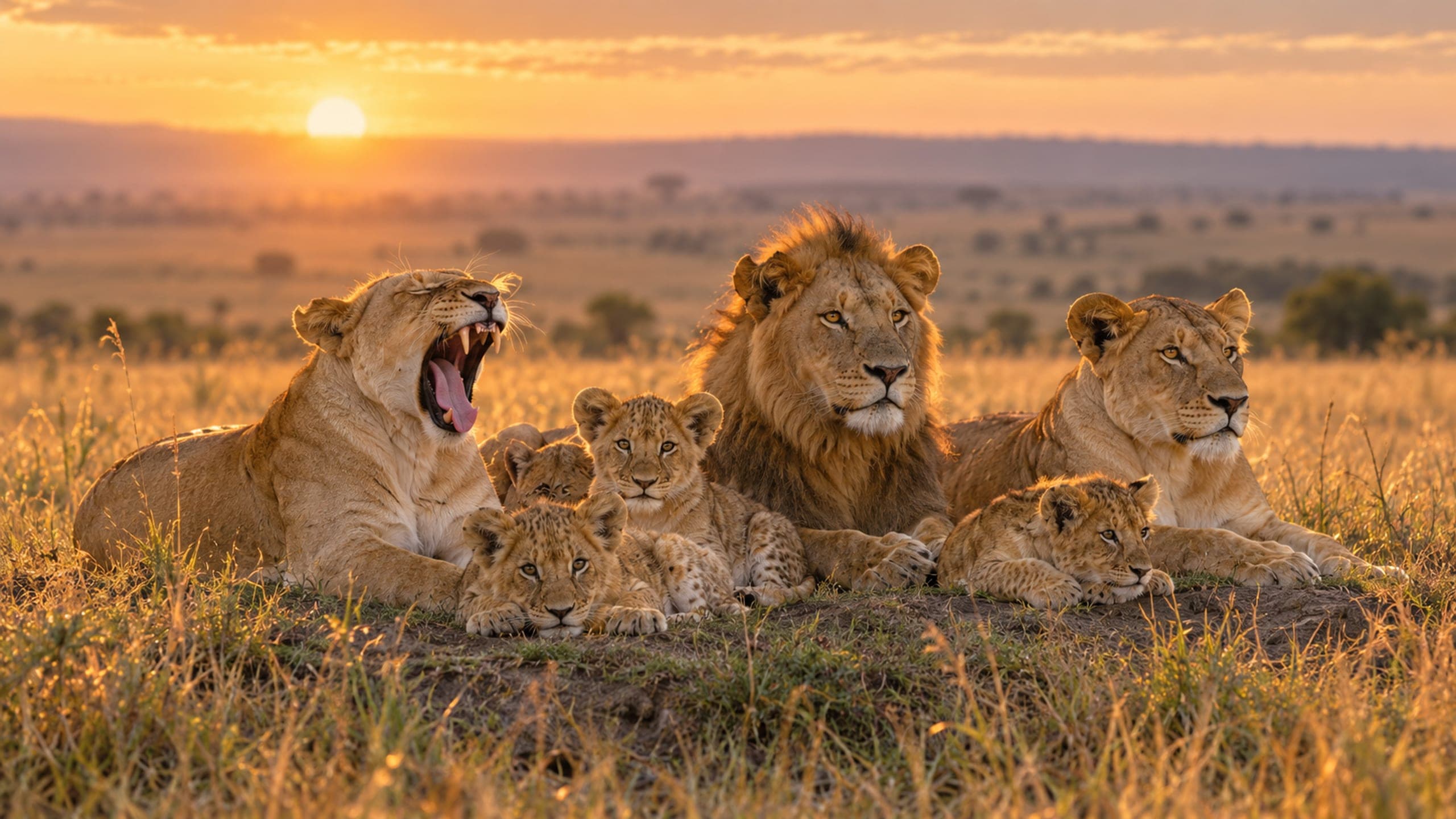
It's tempting to sleep in. Don't. The first two hours after sunrise are when lions are still moving and cheetahs start to hunt.
A sleeping lion becomes a hunting lion if you give it 40 minutes. The most spectacular things we've seen came to people who waited.
Birds, photography, elephants, or just big cats? A good guide shapes the day around you, but only if you tell them.
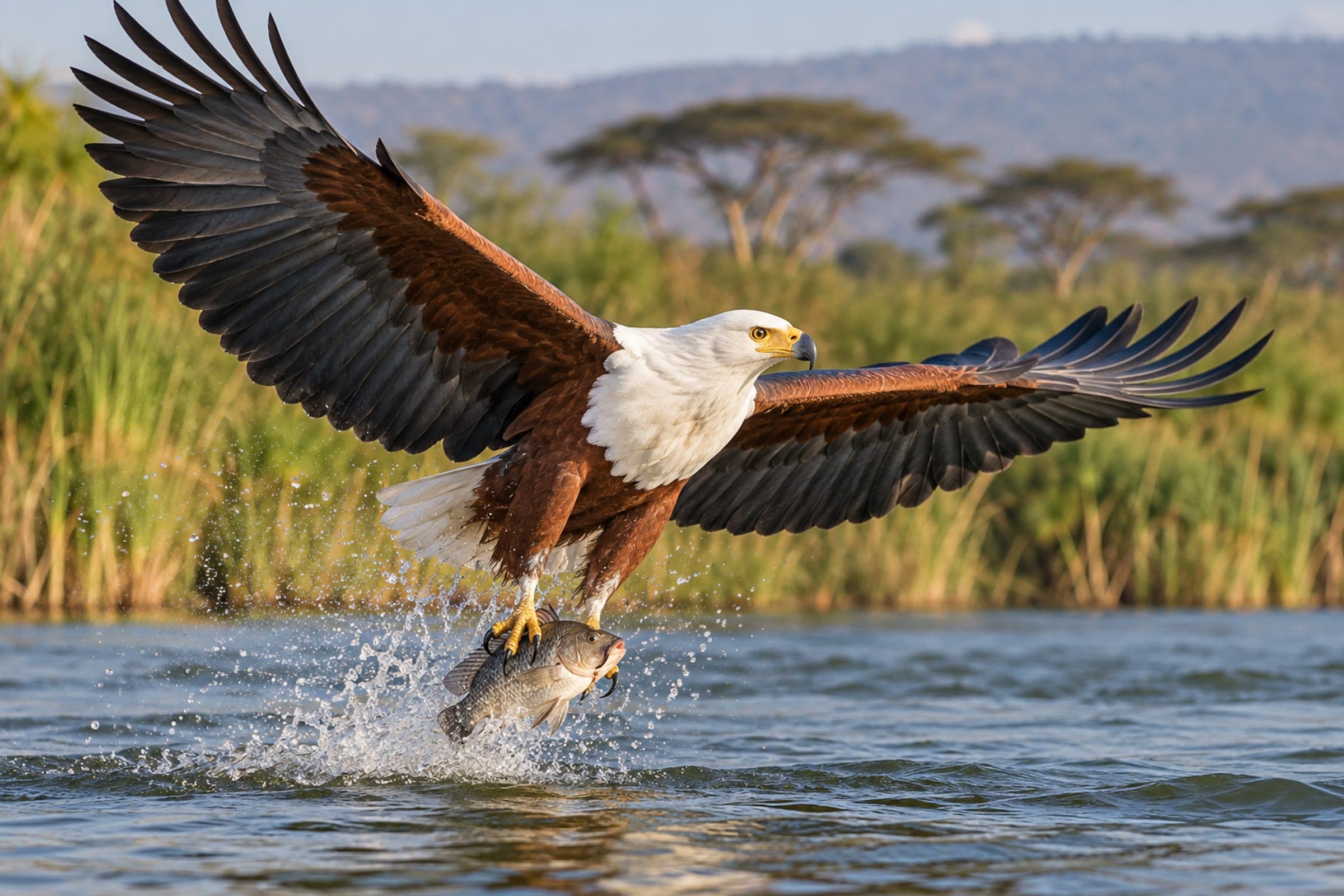
Kenya has more than 1,100 bird species, and animals like the gerenuk, aardwolf and honey badger are thrilling to find. Tick the list, then look beyond it.
Animals tolerate vehicles but react to voices and sudden movements. Quiet passengers get longer, calmer sightings.
Driving off-road where it's banned or crowding an animal for a photo stresses wildlife and can cost a guide their licence. Good guides say no, and that's a good thing.
Your guide will find a safe spot with a big bush. It's a safari rite of passage. Nobody minds.
A buff for the dusty tracks, SPF 50 and a good hat. Roads to and within the parks can be bumpy, so camera bags with padding are wise.
In camp
Safari days start before dawn. A rest after lunch means you're sharp for the afternoon drive and awake for the stars.
In unfenced camps, a staff member walks you to your tent at night, as elephants and hippos wander through. It's a thrilling part of the experience.
Many camps have Wi-Fi in the main area only, and power may come from solar. Bring a power bank, and enjoy being offline.
Vegetarian, vegan, gluten-free, halal or allergies: tell us when you book and camp kitchens plan for it, even deep in the bush.
People, culture and courtesy
Many Maasai and Samburu people are happy to be photographed, but always ask first. If you'd like to visit a village, we'll suggest community-run visits where your fee goes to the community.
Tipping guides and camp staff is customary and makes a real difference to their families. Our tipping guide has a calculator for your trip.
The animals don't perform on cue. On safari you learn to be still, and when you are still, the bush comes to you.
Something our guides say on every first drive
The perfect first safari, in our view
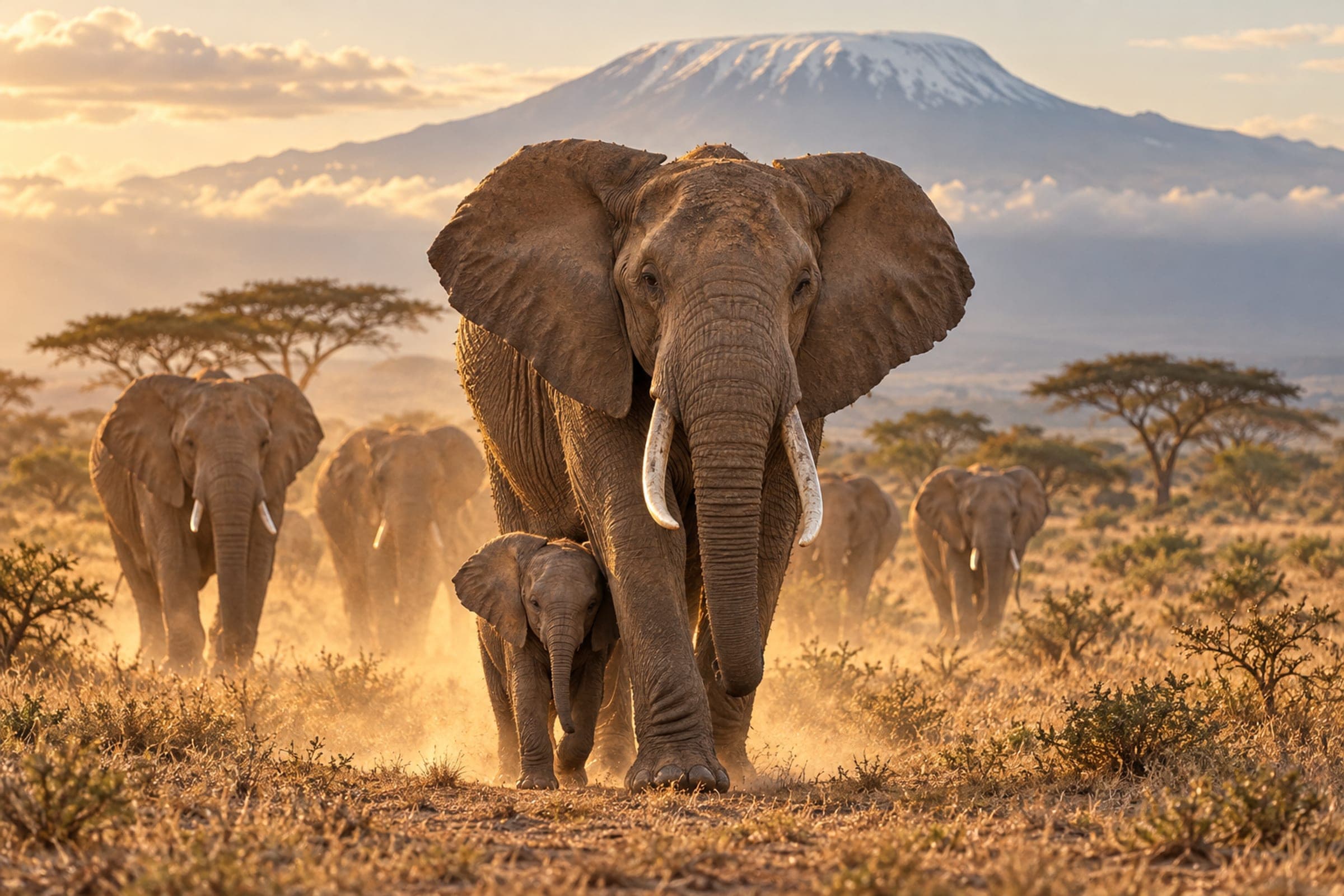
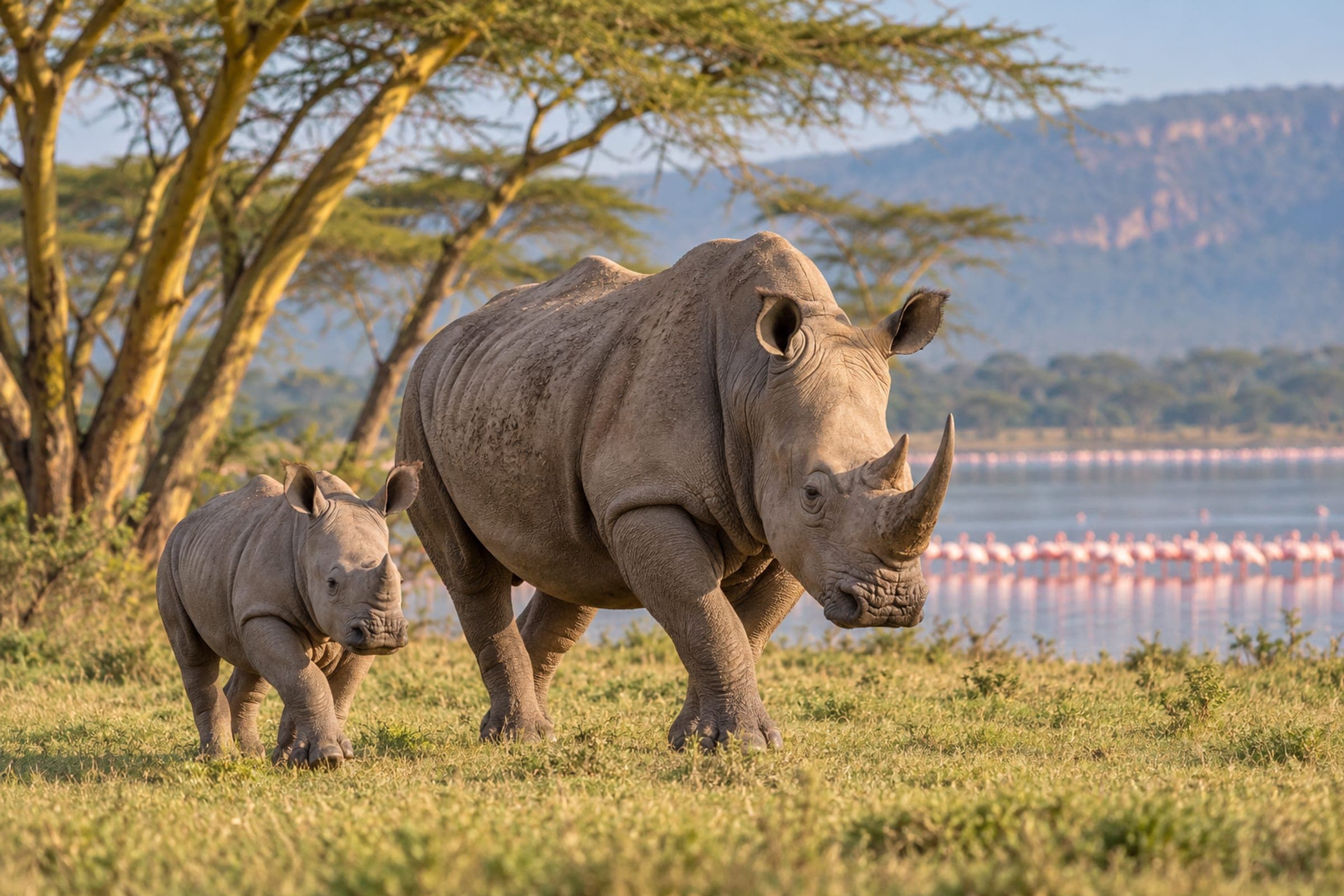
If you asked us to plan the ideal first trip, we'd suggest six or seven days: three or four nights in the Maasai Mara for big cats and the migration in season, and two nights in Amboseli for elephants under Kilimanjaro, with Lake Nakuru or Naivasha if you have an extra day. Add a few days at the beach afterwards if you can. You'll have earned it.
Frequently asked questions
How many days should a first safari be?
Five to seven days is ideal for a first safari in Kenya. It gives you three or four nights in the Maasai Mara and time for a second park such as Amboseli or Lake Nakuru, without rushing.
What happens on a typical safari day?
Most safari days start with coffee around 5:45 am, a morning game drive from dawn, breakfast, a midday rest and lunch at camp, an afternoon drive from about 4 pm, a sundowner at sunset, and dinner around the fire.
Is a private safari worth it?
For most travellers, yes. A private vehicle lets you set your own pace and stay longer at sightings. For families and groups of three or more, the cost per person is often close to that of a shared group safari.
Do you get out of the vehicle on safari?
In national parks and reserves you stay in the vehicle except at designated picnic and viewpoint spots. In private conservancies you can often do guided walking safaris.
Is a safari suitable for first-time travellers to Africa?
Absolutely. An organised safari is one of the easiest ways to experience Africa for the first time. Airport transfers, vehicles, guides, lodges and meals are all arranged, so you can simply enjoy it.