Around 1.5 million wildebeest, plus hundreds of thousands of zebra and gazelle, circle the Serengeti and Maasai Mara every year. Here is where the herds are each month, when the river crossings happen, and how to plan a trip that puts you in the right place.
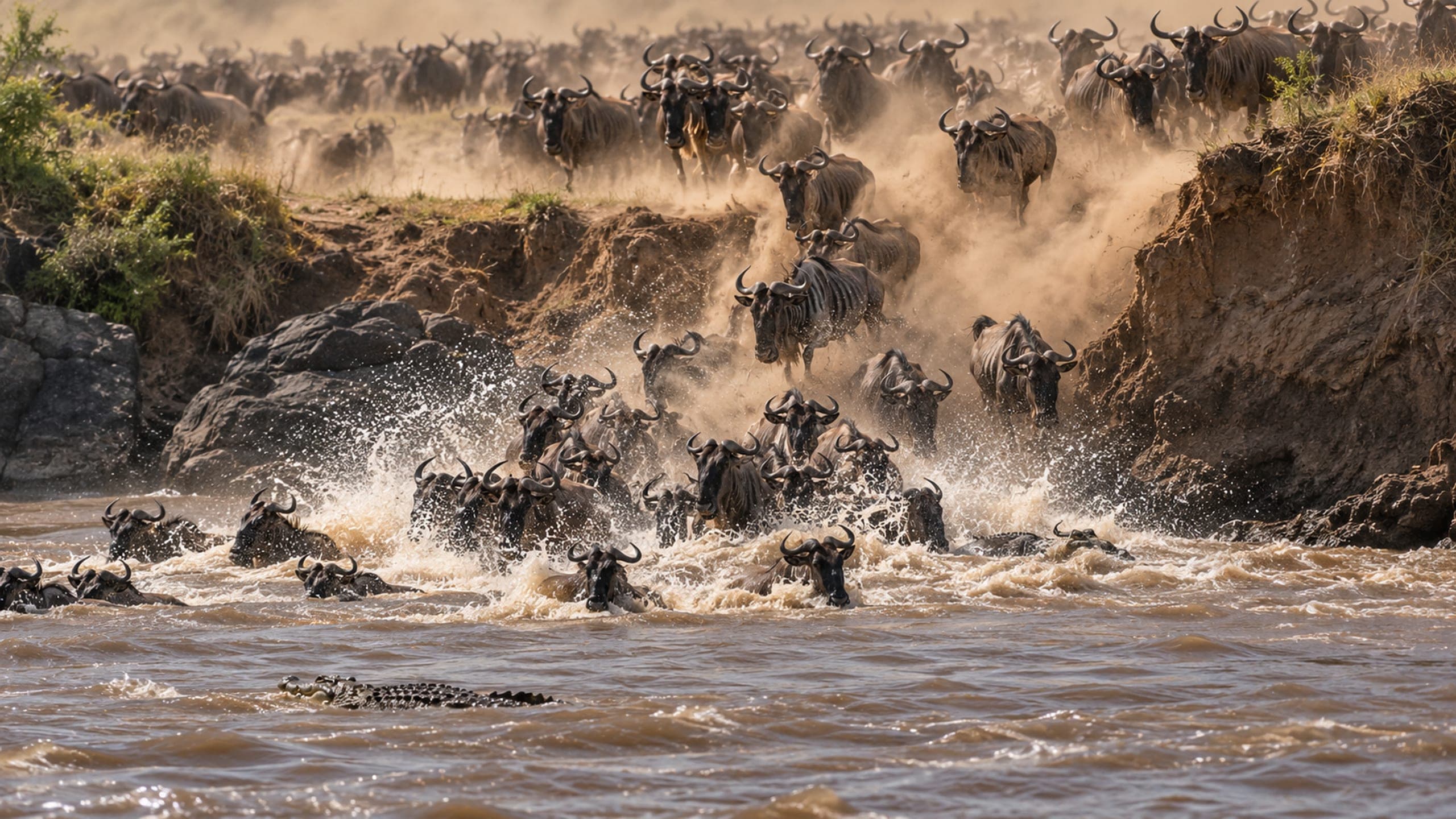
There's a moment, usually in the hot middle of a morning in August, when the noise changes. The herd on the riverbank has been milling for an hour, grunting and pushing at the edge. Then one wildebeest jumps. In seconds thousands follow, pouring down the bank into brown water while crocodiles move in from below. Nothing prepares you for it, and people who see it tend to talk about it for the rest of their lives.
The trick is being in the right place. This guide explains how the migration really moves, so you can plan with confidence instead of guesswork.
What is the Great Migration?
The Great Migration is the annual circular movement of wildebeest, zebra and gazelle through the Serengeti–Mara ecosystem. The ecosystem covers Tanzania's Serengeti National Park and Kenya's Maasai Mara National Reserve, along with the conservancies and game reserves around them. The animals aren't migrating to a destination. They follow the rain, and the fresh grass that grows after it, around a loop of roughly 800 km (500 miles).
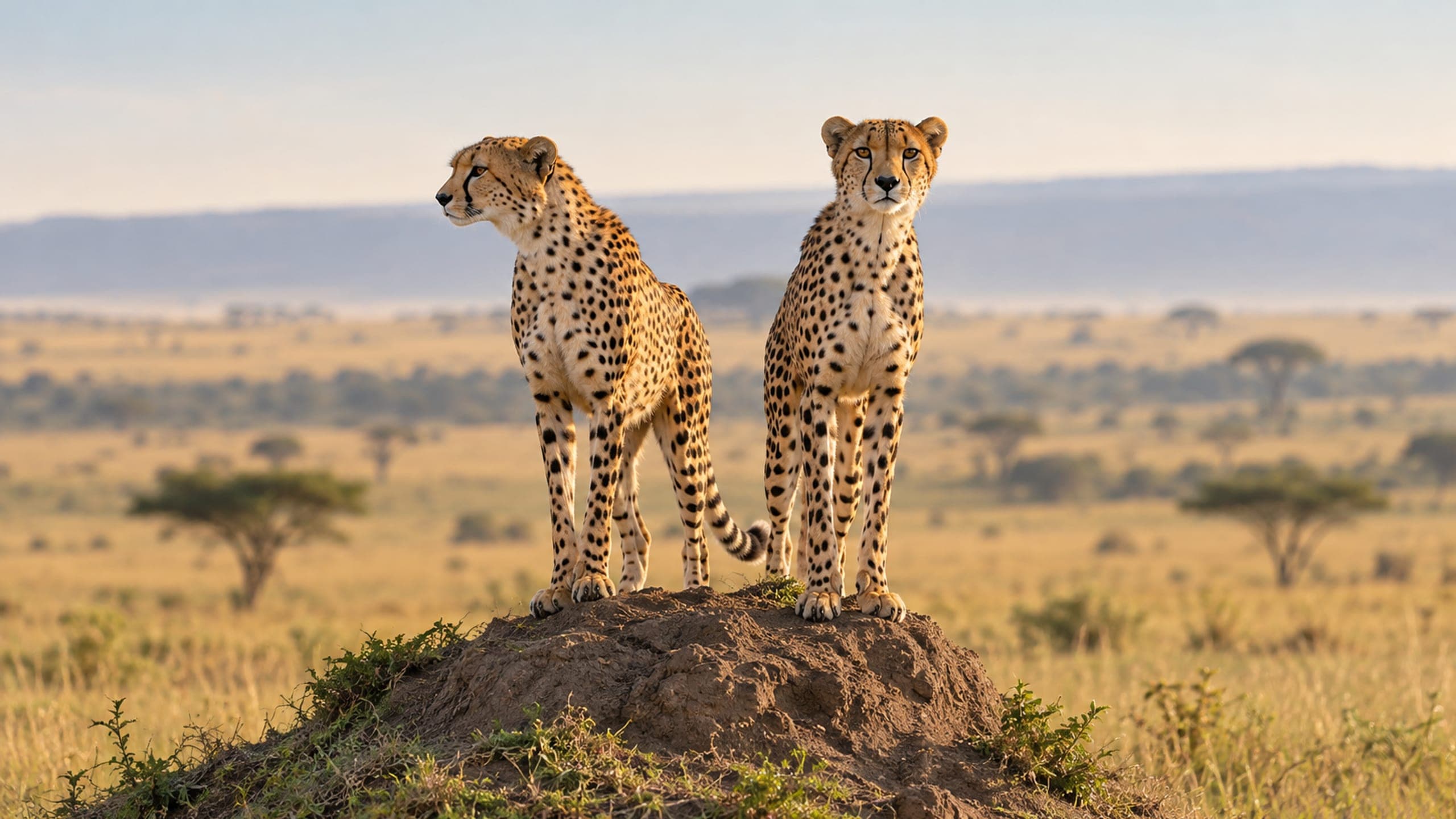
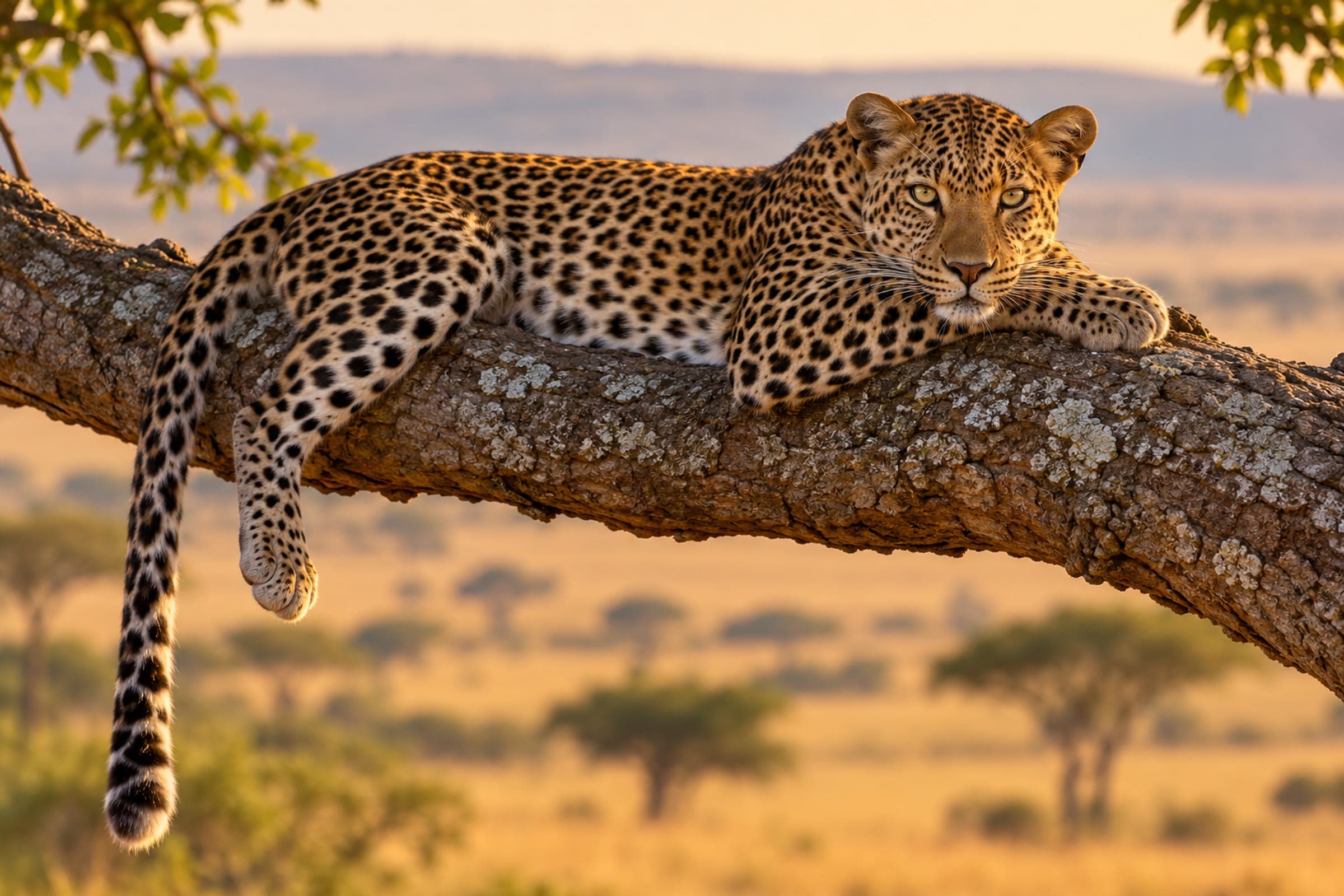
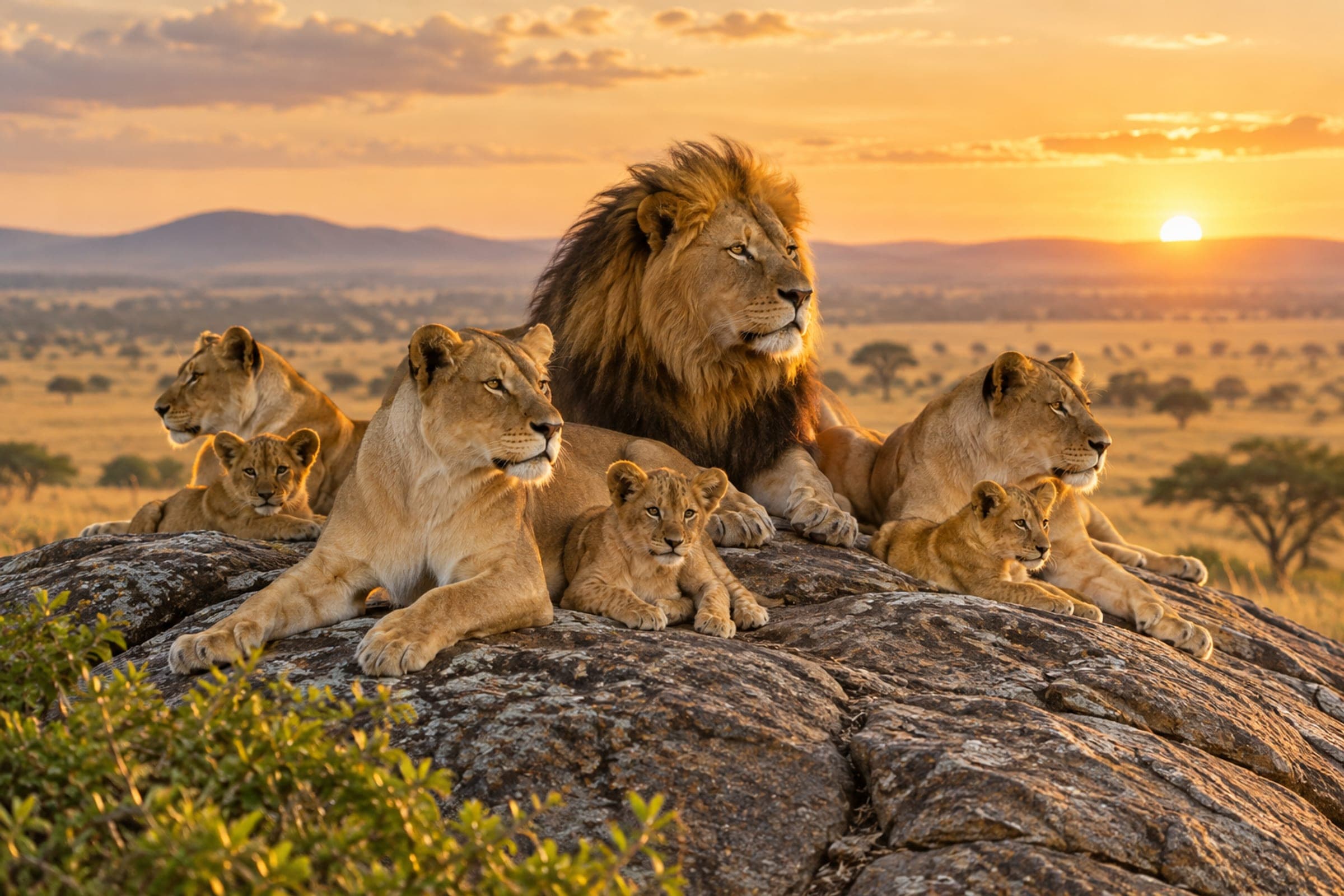
Zebra usually lead. They eat the long, coarse grass tops, which exposes the shorter shoots the wildebeest prefer. Behind both come the predators: lion, hyena, cheetah, leopard and, at the rivers, some of the largest Nile crocodiles in Africa.
Follow the herds through the year
Pick a month, or press play to watch the year go by.
August. Peak Mara River crossings. Most of the herd is now split between the Maasai Mara and Kogatende, just over the border.
The migration calendar, season by season
- 1January – MarchCalving on the southern plains
The herds spread across the short-grass plains of the southern Serengeti and the Ndutu area, near the Ngorongoro Conservation Area. In a few weeks around February, hundreds of thousands of calves are born. Predators gather, so this is some of the most intense big-cat action of the year. Almost nobody else thinks to come.
- 2April – MayThe long march north
The long rains arrive and the herds start moving through central Serengeti (Seronera and Moru). Columns of wildebeest can stretch for miles. May is the rut: bulls fight for territory and mates, and the plains echo with grunting.
- 3JuneThe Grumeti River crossings
Much of the herd swings into the Western Corridor and has to cross the Grumeti River. The crossings here are smaller than on the Mara, but the crocodiles are huge. Late June also sees the first herds pushing towards the northern Serengeti.
- 4July – OctoberThe Mara River and Kenya
The herds reach the Mara River in the far north of the Serengeti, then cross into Kenya's Maasai Mara from about mid-July. August and September are the peak months for crossings. The herds cross back and forth across the river many times, following rain and grazing. That's why both sides of the border can be extraordinary in the same week.
- 5November – DecemberBack south with the short rains
The short rains green up the south, and the herds move quickly back through Lobo and the eastern Serengeti. By December most are on the southern plains again, heavily pregnant, and the cycle starts over.
Where to see the river crossings
The Mara River crossings are what most travellers dream of. They happen at a number of well-known crossing points along the river, in the northern Serengeti (Kogatende area) and in the Maasai Mara's northern reserve and Mara Triangle.
| Month | Jan | Feb | Mar | Apr | May | Jun | Jul | Aug | Sep | Oct | Nov | Dec |
|---|---|---|---|---|---|---|---|---|---|---|---|---|
| Calving, southern Serengeti | Good | Peak | Good | Unlikely | Unlikely | Unlikely | Unlikely | Unlikely | Unlikely | Unlikely | Unlikely | Possible |
| Rut, central Serengeti | Unlikely | Unlikely | Unlikely | Possible | Peak | Good | Unlikely | Unlikely | Unlikely | Unlikely | Unlikely | Unlikely |
| Grumeti River crossings | Unlikely | Unlikely | Unlikely | Unlikely | Possible | Peak | Possible | Unlikely | Unlikely | Unlikely | Unlikely | Unlikely |
| Mara River crossings | Unlikely | Unlikely | Unlikely | Unlikely | Unlikely | Possible | Good | Peak | Peak | Good | Possible | Unlikely |
| Herds in Kenya's Maasai Mara | Unlikely | Unlikely | Unlikely | Unlikely | Unlikely | Unlikely | Good | Peak | Peak | Good | Unlikely | Unlikely |
Kenya or Tanzania: where should you see it?
Both countries share the migration, and both are wonderful. The right choice depends on the month you travel and the kind of trip you want.
| At a glance | Maasai Mara, Kenya | Serengeti, Tanzania |
|---|---|---|
| Best months | Mid-July to October | All year: calving Jan–Mar, Grumeti Jun, north Jul–Oct |
| River crossings | Yes, August–September peak | Yes, northern Serengeti, same months |
| Size | 1,510 km², compact and easy to cover | 14,750 km², vast and remote |
| Getting there | 5–6 hrs by road from Nairobi, or about an hour by air | Usually a flight from Arusha to the north |
| Resident wildlife | Among Africa's densest lion and cheetah populations, all year | Excellent, spread across a much larger area |
| Easy to combine | Amboseli, Nakuru, Diani, Lamu | Ngorongoro, Tarangire, Zanzibar |
For most travellers coming between July and October, the Maasai Mara is the easier, better-value choice. It's closer to an international airport, you can reach it by road, and it's small enough that you rarely drive far between sightings. For calving season (January–March) you'll want Tanzania's southern Serengeti, which we combine easily with the Ngorongoro Crater.
How to plan your migration safari
- 1Choose your month, then your country
July–October means the Mara and the northern Serengeti. January–March means Ndutu and the southern Serengeti. Pick the month first and the rest follows.
- 2Stay at least three full days
The herds move by the hour. Three full days in the Mara (four nights) gives you real flexibility to follow the action, and most of our travellers say it's the minimum they'd do again.
- 3Book early for August
The best-placed camps for the crossings fill 9 to 12 months ahead for August and September. Booking early also locks in your rates.
- 4Budget for peak-season park fees
The Maasai Mara reserve fee is $200 per adult per day from July to December. Our quotes always show this, so there are no surprises when you arrive.
Frequently asked questions
What month is best to see the Great Migration?
August and September are best for Mara River crossings in Kenya's Maasai Mara and the northern Serengeti. February is best for calving in Tanzania's southern Serengeti, which has the most predator action of the year.
Is the Great Migration in Kenya or Tanzania?
Both. The herds spend roughly eight months of the year in Tanzania's Serengeti and about four months, from mid-July to October, in Kenya's Maasai Mara. The Mara River runs through both countries and is where the famous crossings happen.
Can you guarantee seeing a river crossing?
No honest operator can guarantee one. Crossings depend on rainfall and the herds' own choices. Spending at least three full days near the crossing points in August or September gives you a very good chance.
How many animals are in the Great Migration?
Around 1.5 million wildebeest, together with roughly 400,000 zebra and large numbers of Thomson's and Grant's gazelle, which makes it the largest overland mammal migration on Earth.
Is it worth seeing the Maasai Mara outside migration season?
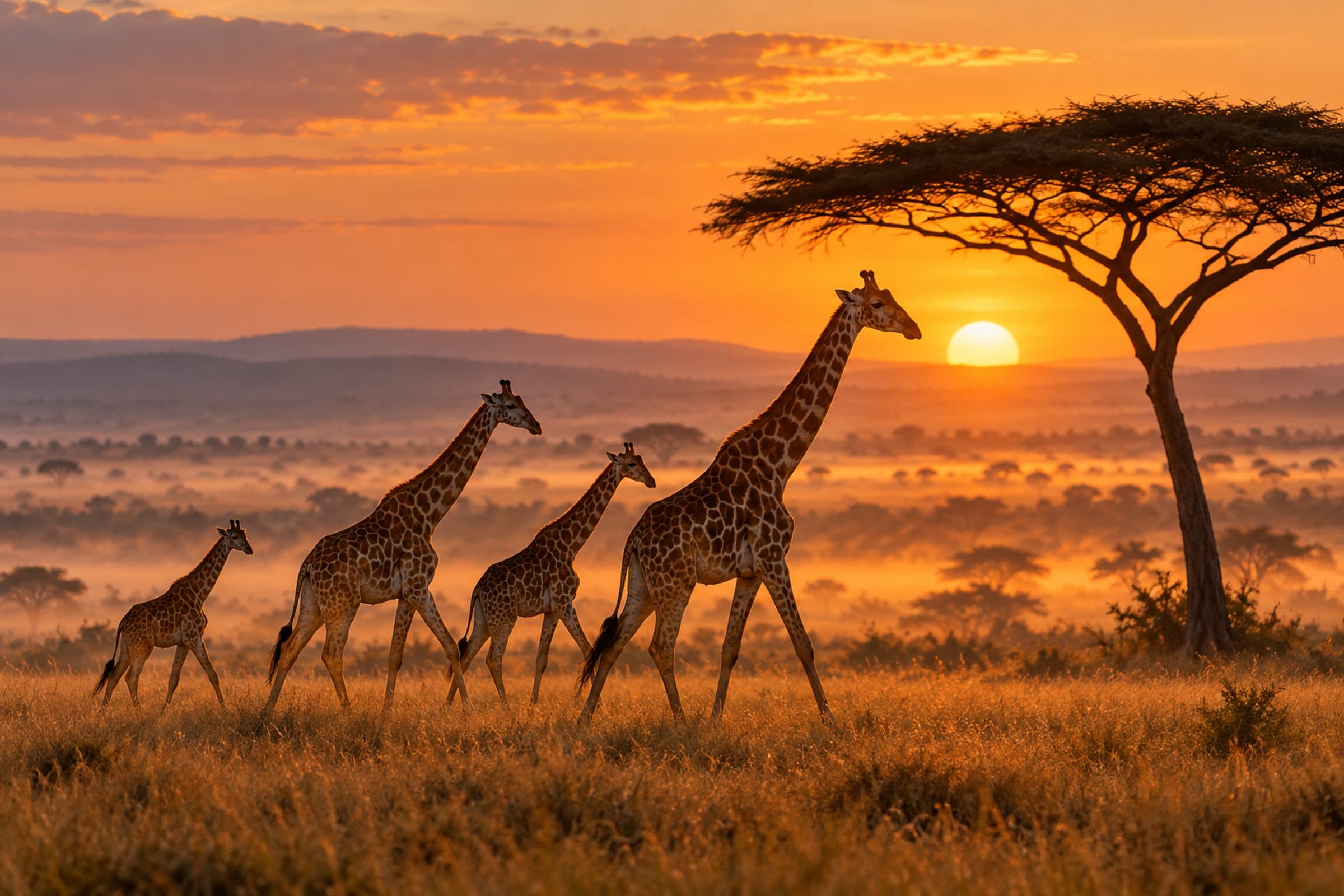
Absolutely. The Mara's resident lions, cheetahs, leopards, elephants, giraffes and hippos stay all year. From January to June the reserve is quieter and the reserve fee is half the peak rate, so it's excellent value.