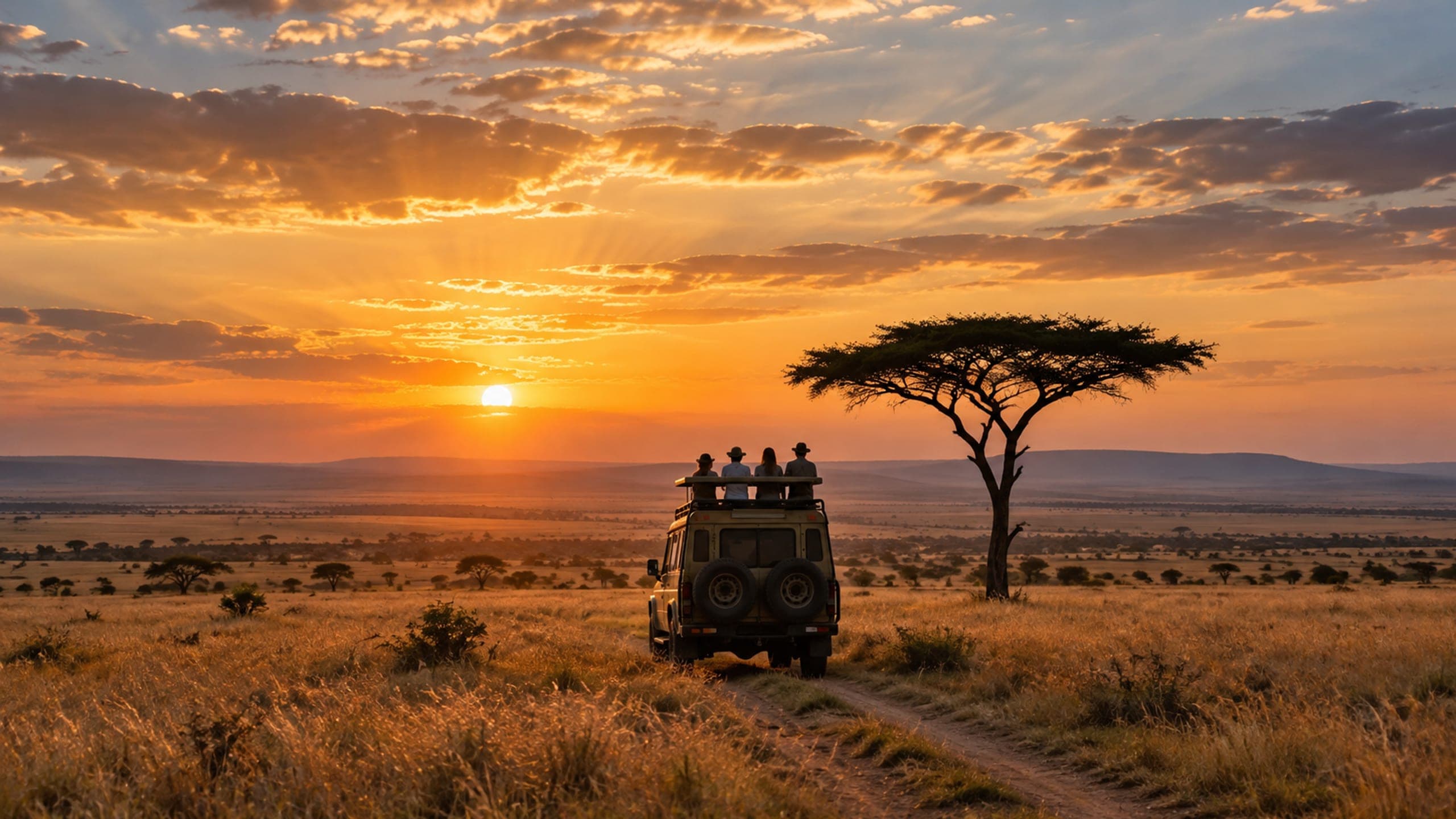
Yes. More than two million international visitors come to Kenya each year, and the vast majority have trouble-free trips. Here's a clear-eyed look at what the travel advisories actually say, where the safari circuit sits, and the simple habits that keep a trip smooth.
We live and work here. Our families live here. So when someone asks us whether Kenya is safe, we answer the way we'd answer a friend: honestly, with the context the headlines leave out. Kenya welcomes more than two million international visitors a year, and its safari industry has hosted travellers for over a century. The overwhelming majority go home with nothing worse than sunburn and a full memory card.
What the travel advisories actually say
Government advisories are written to cover a whole country, including regions no tourist would ever visit. Reading them properly makes a big difference.
| Area | Advisory picture | On a typical safari? |
|---|---|---|
| Maasai Mara, Amboseli, Nakuru, Naivasha | General nationwide caution only | Yes: the heart of Kenya's safari circuit |
| Tsavo, Taita Hills, Samburu, Laikipia | General nationwide caution only | Yes, on many itineraries |
| Nairobi (city & Karen) | Increased caution for crime; avoid Eastleigh and Kibera | Yes, usually for a night or two |
| Diani & the south coast | General nationwide caution only | Yes, for bush-and-beach trips |
| Somali & Ethiopian border counties | Do not travel | No. Far from all safari areas |
The US advisory, renewed in July 2026, keeps Kenya at Level 2. Its highest warnings apply to a band of northern and north-eastern counties near the Somali and Ethiopian borders, a remote, sparsely populated region hundreds of kilometres from the parks. It also recommends extra care in two specific Nairobi neighbourhoods (Eastleigh and Kibera) and at large public gatherings.
The real risks, and how to manage them
Phone snatching and pickpocketing happen in busy parts of Nairobi and Mombasa, as in any big city. Keep phones out of sight on the street, don't walk after dark, and use registered taxis, ride-hailing apps or your Creeks driver.
Kenya's roads are busy and the driving can be robust. This is the main reason to travel with a professional driver-guide in a well-maintained vehicle, and to fly on longer routes.
Kenya has a lively political culture, and protests sometimes take place in city centres, usually on known dates. Stay away from them and follow your guide's advice. Safari areas are unaffected.
Malaria, sun and stomach upsets are far more likely problems than crime. See a travel clinic, use repellent at dusk, and drink bottled or filtered water. See our entry requirements guide.
Is it safe around wild animals?
Yes, as long as you follow your guide. Wild animals are dangerous, and the rules exist for good reasons. In practice, accidents involving tourists are extremely rare.
- •Stay in the vehicle in the parks
Animals see a safari vehicle as one large, uninteresting object. Standing up through the roof hatch is fine; getting out isn't, except at designated spots.
- •Use the camp escort after dark
Many camps are unfenced, and elephants, hippos and buffalo wander through at night. A staff member (an askari) will walk you to and from your tent. It's part of the magic, not a cause for worry.
- •Keep a respectful distance
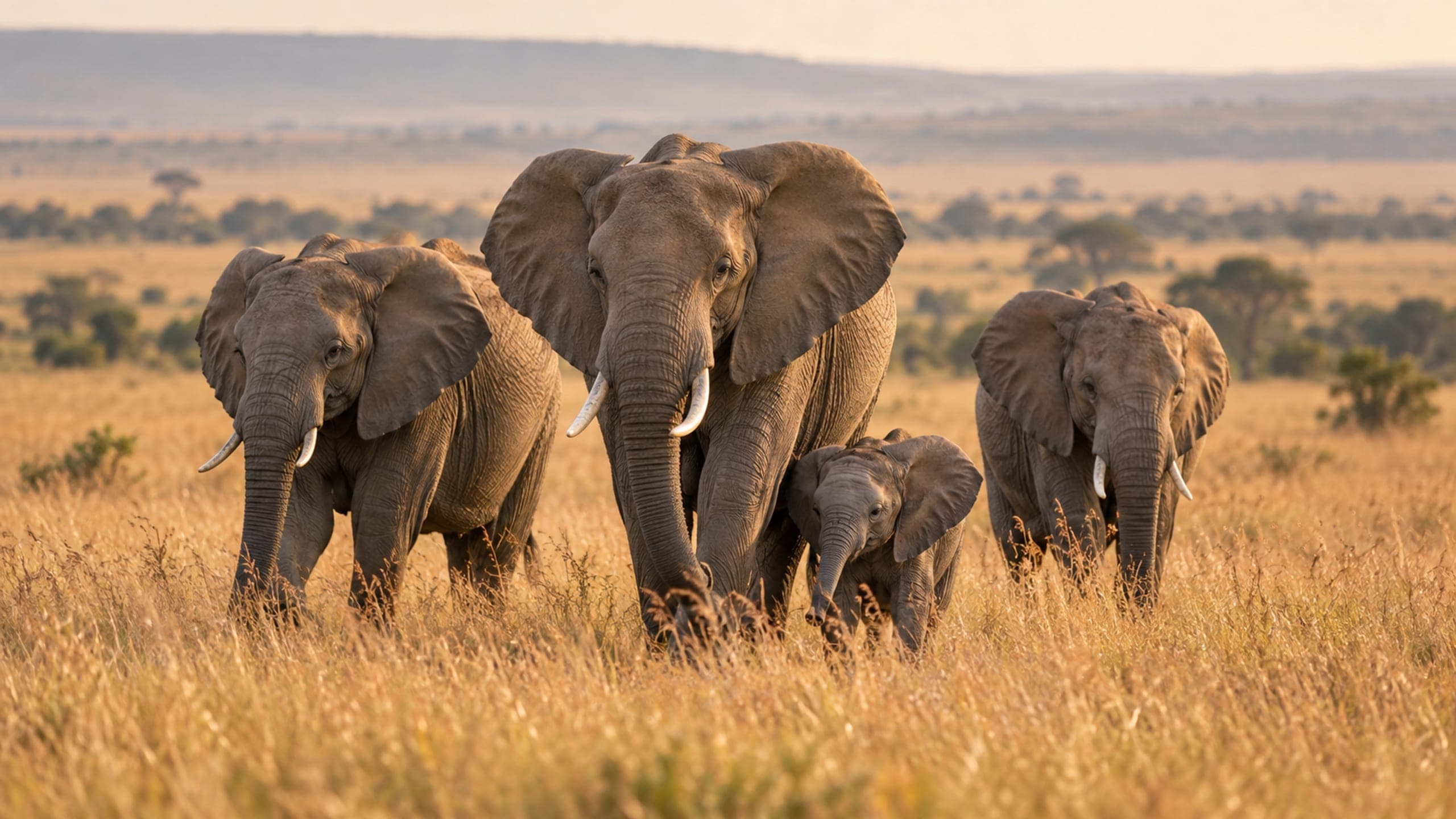
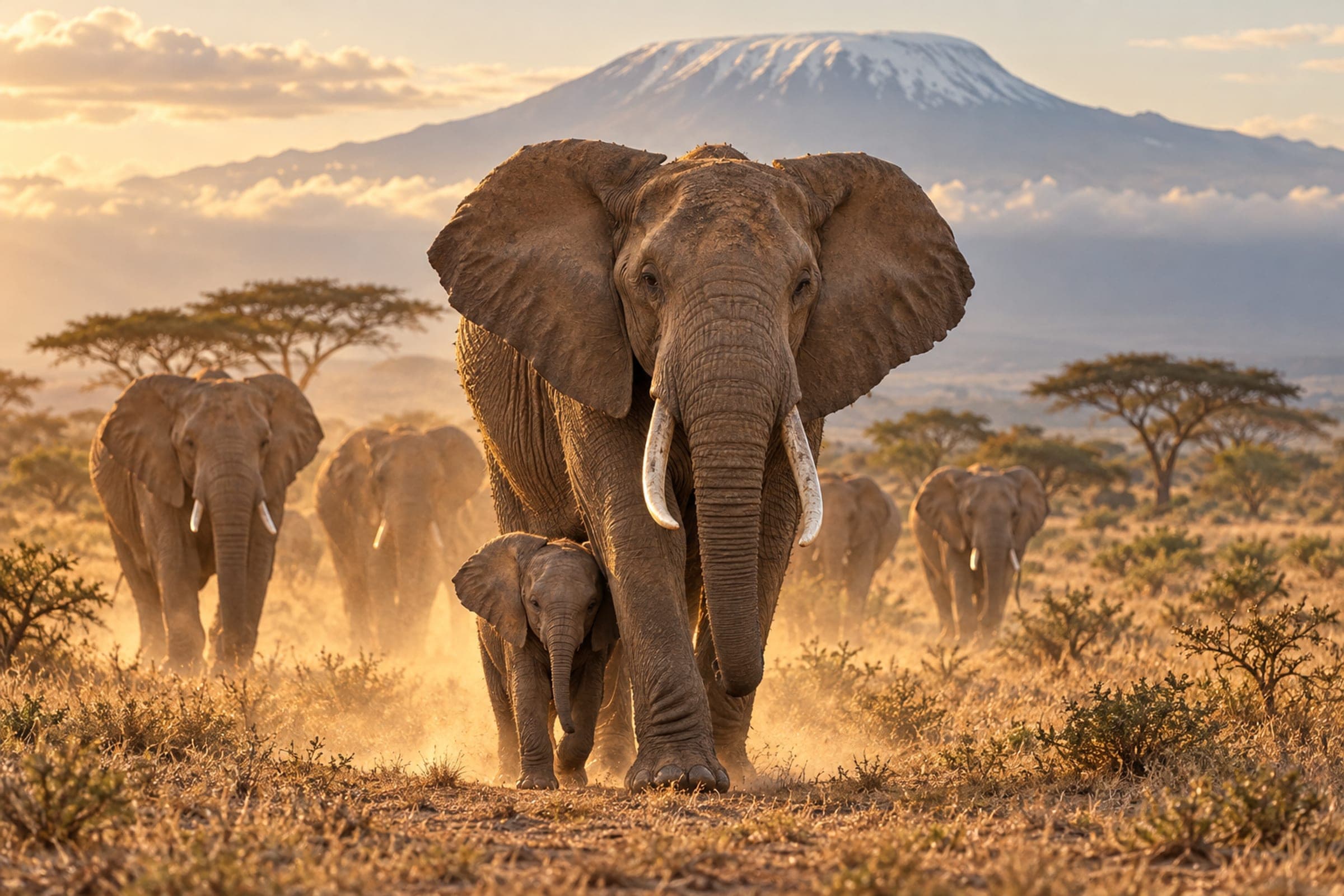
Good guides read animal behaviour all day long. If they decide to move away from an elephant, trust them. They're giving the animal space, which keeps both of you calm.
Advice for different travellers
Plenty of women travel to Kenya alone on safari and love it. On an organised trip you're met, transferred and looked after throughout. In cities, the usual big-city common sense applies.
Kenyans adore children, and many lodges have family tents and pools. See our family safari guide for routes and age tips.
Kenyan law criminalises same-sex relations, so discretion in public is wise, and public displays of affection are best avoided for all couples anyway. Many safari lodges and camps are welcoming and private, and we're happy to suggest properties where you'll feel completely at ease.
How travelling with Creeks keeps it simple
Most of what makes a trip safe is planning that happens before you arrive. We're a Nairobi-based operator and a member of the Kenya Association of Tour Operators (KATO), and our planning is built around smooth, low-stress travel.
- 1Met on arrival
You're met at the airport and driven to your hotel. No haggling with taxis after a long-haul flight.
- 2Professional driver-guides
Experienced guides who know the roads, the parks and the animals, driving 4x4 safari vehicles.
- 3Well-chosen lodges
Properties we know personally, in good locations, with on-site security and staff who look after their guests.
- 4A team on the ground
A Nairobi team you can reach throughout your trip. If plans need to change, whether for weather, roads or anything else, we change them.
The question we hear at the end of nearly every safari isn't whether it was safe. It's when they can come back.
The Creeks planning team, Nairobi
Frequently asked questions
Is Kenya safe to visit in 2026?
Yes. The US State Department rates Kenya Level 2, Exercise Increased Caution, as of July 2026. Its do-not-travel warnings apply to remote counties near the Somali and Ethiopian borders, well away from the safari parks and the main beach resorts. Millions of visitors travel to Kenya each year without incident.
Is the Maasai Mara safe?
Yes. The Maasai Mara is one of Africa's most visited safari destinations and isn't covered by any special government warning. As in any wilderness area, follow your guide's instructions around wildlife and use the camp escort at night.
Is Nairobi safe for tourists?
Nairobi is generally safe for visitors who take normal big-city precautions: keep valuables out of sight, avoid walking after dark, and use registered taxis, ride-hailing apps or your tour driver. Tourist areas such as Karen, the Giraffe Centre and Nairobi National Park are popular and well-visited.
Is it safe to go on safari in Kenya as a solo female traveller?
Yes. Many women travel solo on safari in Kenya. On an organised safari you're met at the airport, driven by a professional guide, and stay at lodges with on-site staff and security.
What is the biggest risk for tourists in Kenya?
Road travel and health issues such as malaria and stomach upsets are statistically bigger risks than crime. Travelling with a professional driver-guide, flying on longer routes, taking antimalarials if prescribed, and drinking bottled water all reduce them.