A family safari is one of the best trips you'll ever take together. Here's what ages work best, which Kenyan parks suit children, how to keep drive times short, and the small details that make the difference between restless kids and amazed ones.
There's nothing like watching a child see their first elephant. Something about it lands differently for them than for us, and you'll find yourself watching their faces as much as the animals. A safari can be the trip your children talk about for the rest of their lives. With the right planning, it's also surprisingly easy.
What age is best for a safari?
Many lodges welcome toddlers, and some offer babysitting. Long game drives can be hard on small children, so plan short drives, nap time and pools. Some camps and activities have minimum ages, so we check every property for you.
Old enough to sit through a drive and young enough to be completely amazed. Kids this age love Junior Ranger activities, tracking footprints and ticking off animal checklists.
Teenagers can do walking safaris in conservancies, cycling at Hell's Gate, balloon flights, and, from 15, gorilla trekking. They also make great photographers.
The best places in Kenya for a family safari
Hand-feed giraffes eye to eye at the Giraffe Centre, watch baby elephants at the Sheldrick Wildlife Trust orphanage at feeding time, and see lions and rhinos against the city skyline in Nairobi National Park. It's an easy first day after the flight.
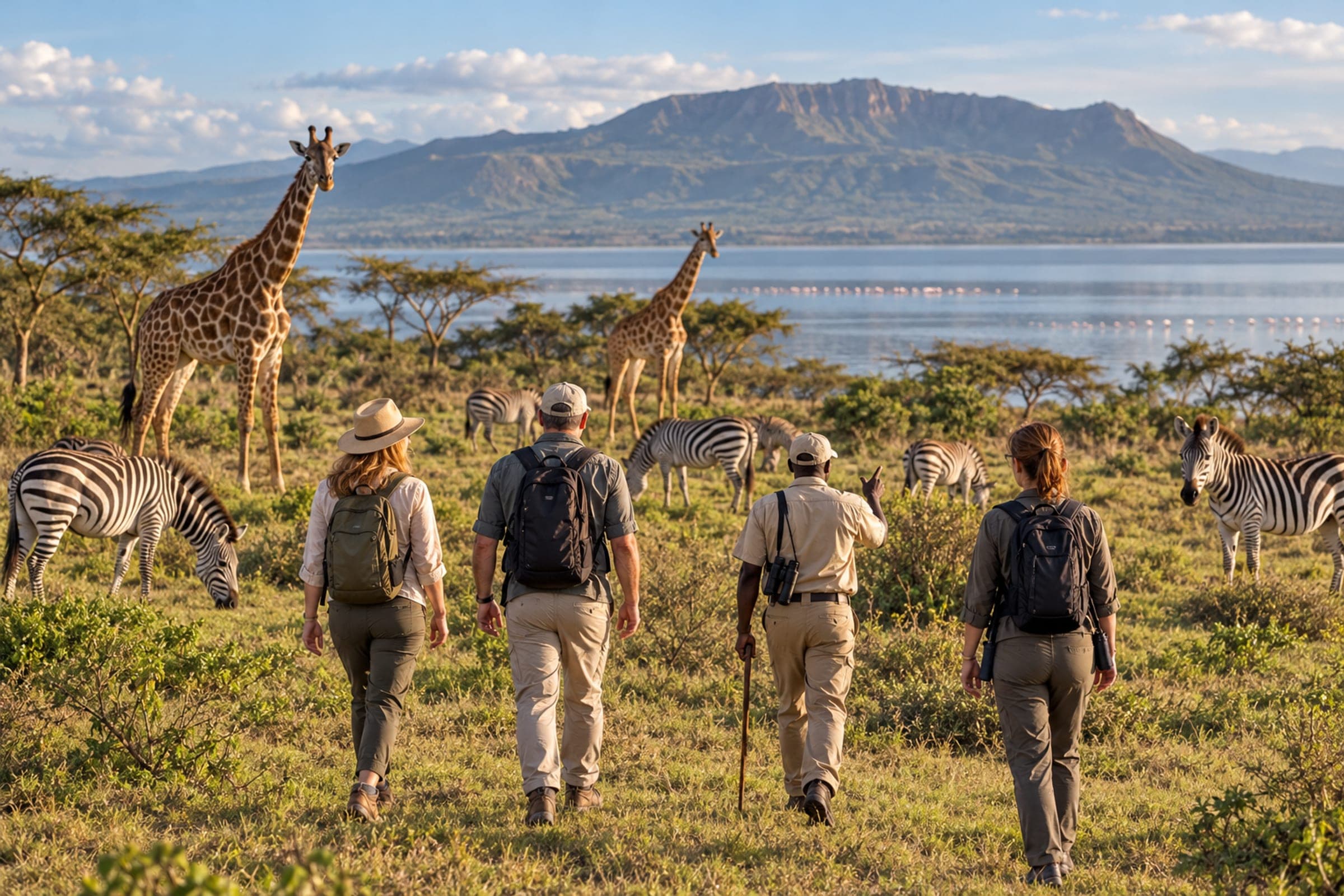
A boat ride among hippos, then a guided walk on Crescent Island, where giraffes, zebras and wildebeest graze around you. For older kids, cycling through Hell's Gate gorge is a highlight. It's only about two hours from Nairobi.
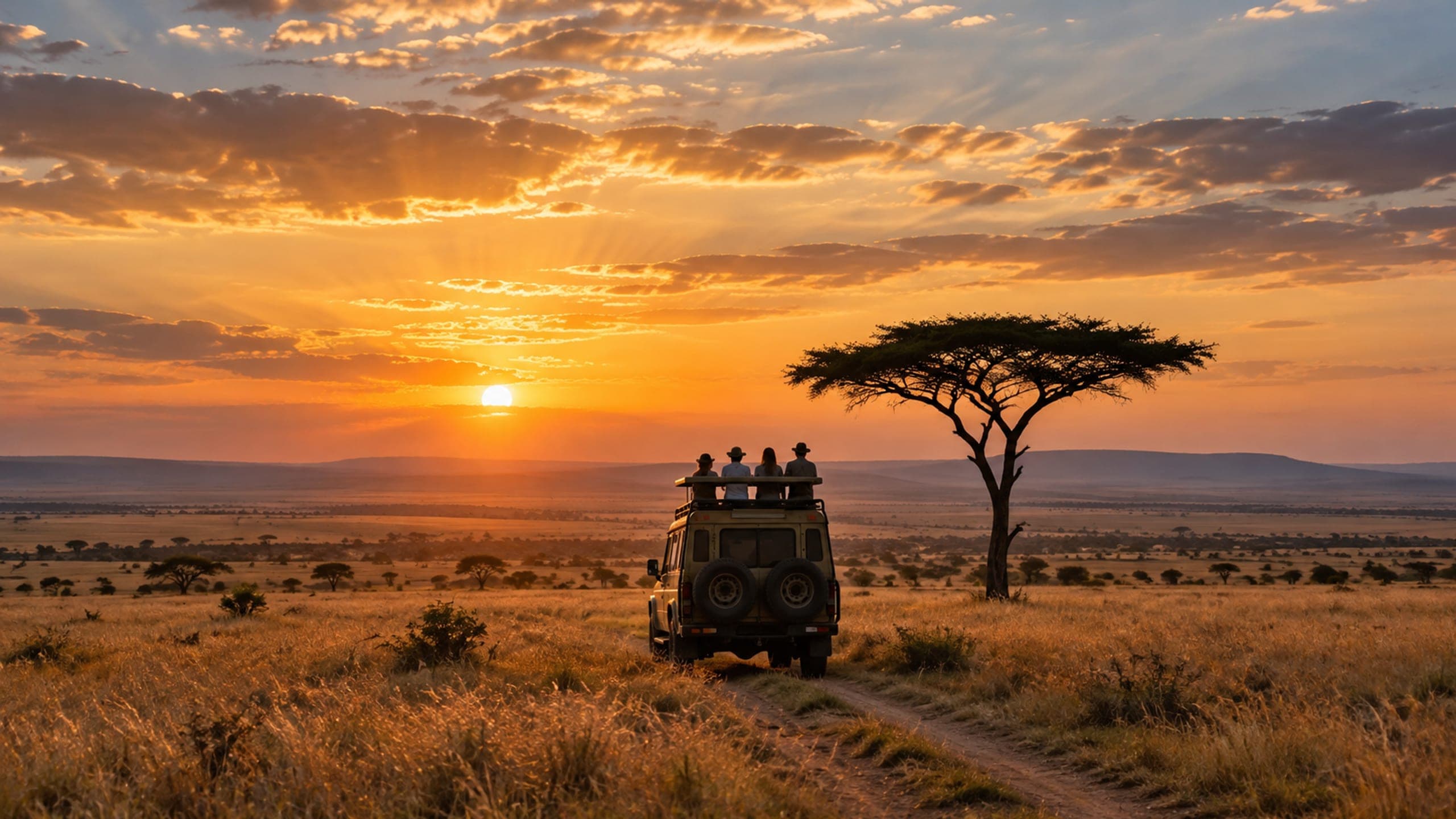
Lions, cheetahs, elephants, and the migration from July to October. The Mara is so rich that even short drives produce big sightings, which is perfect for younger attention spans.
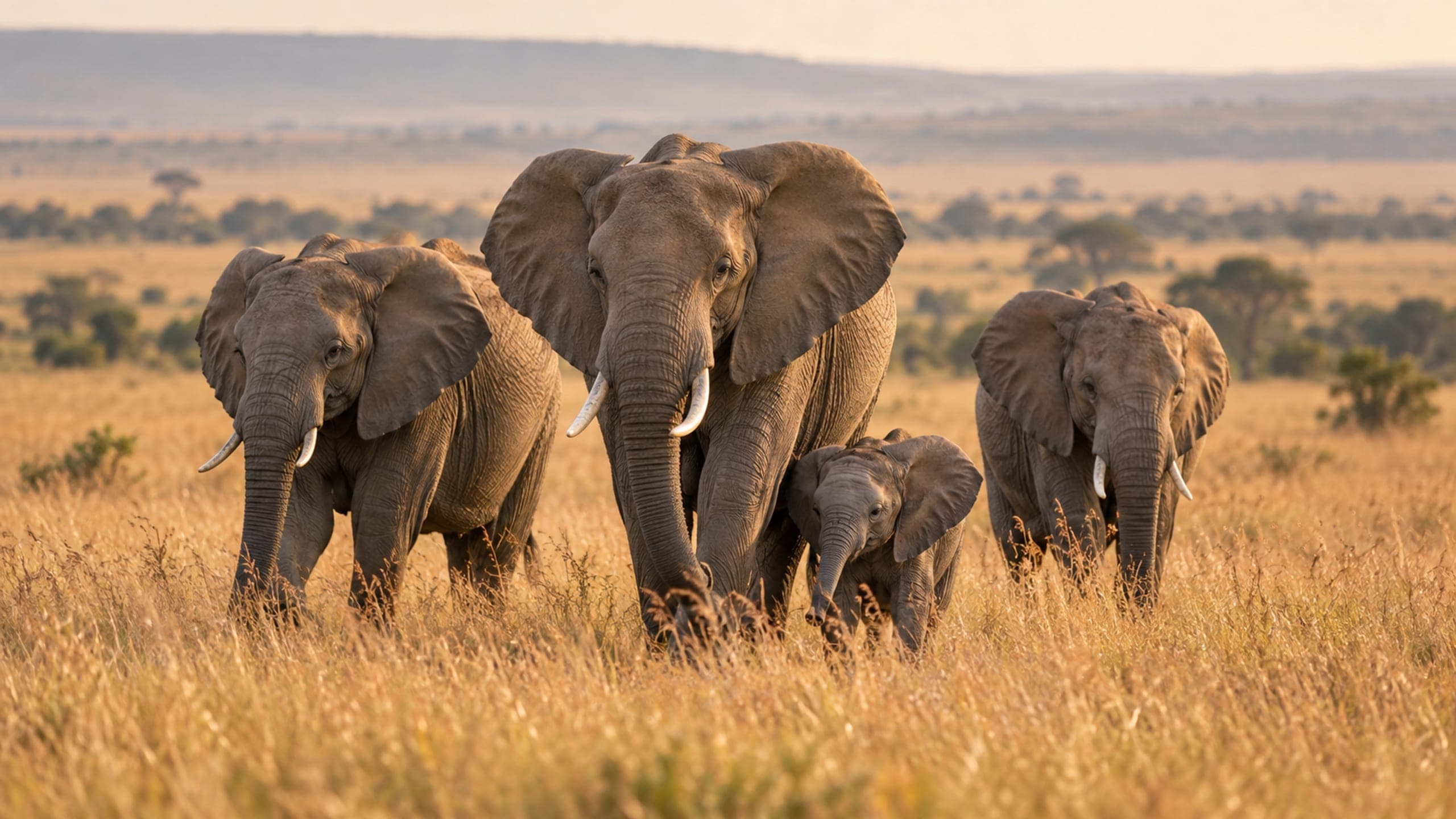
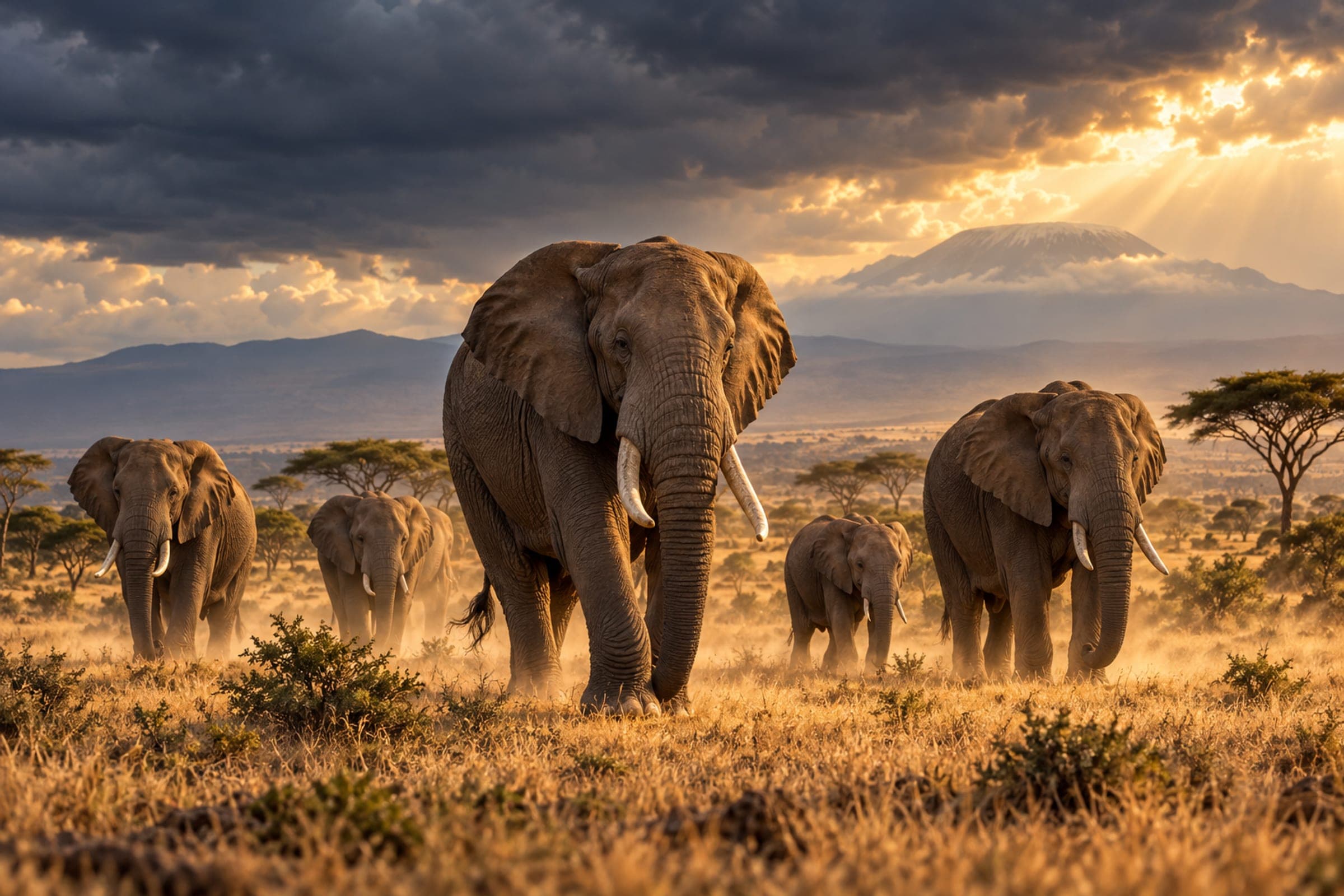
Great herds of elephants walk past with Africa's highest mountain behind them. The flat, open landscape makes animals easy to spot, even for small eyes.
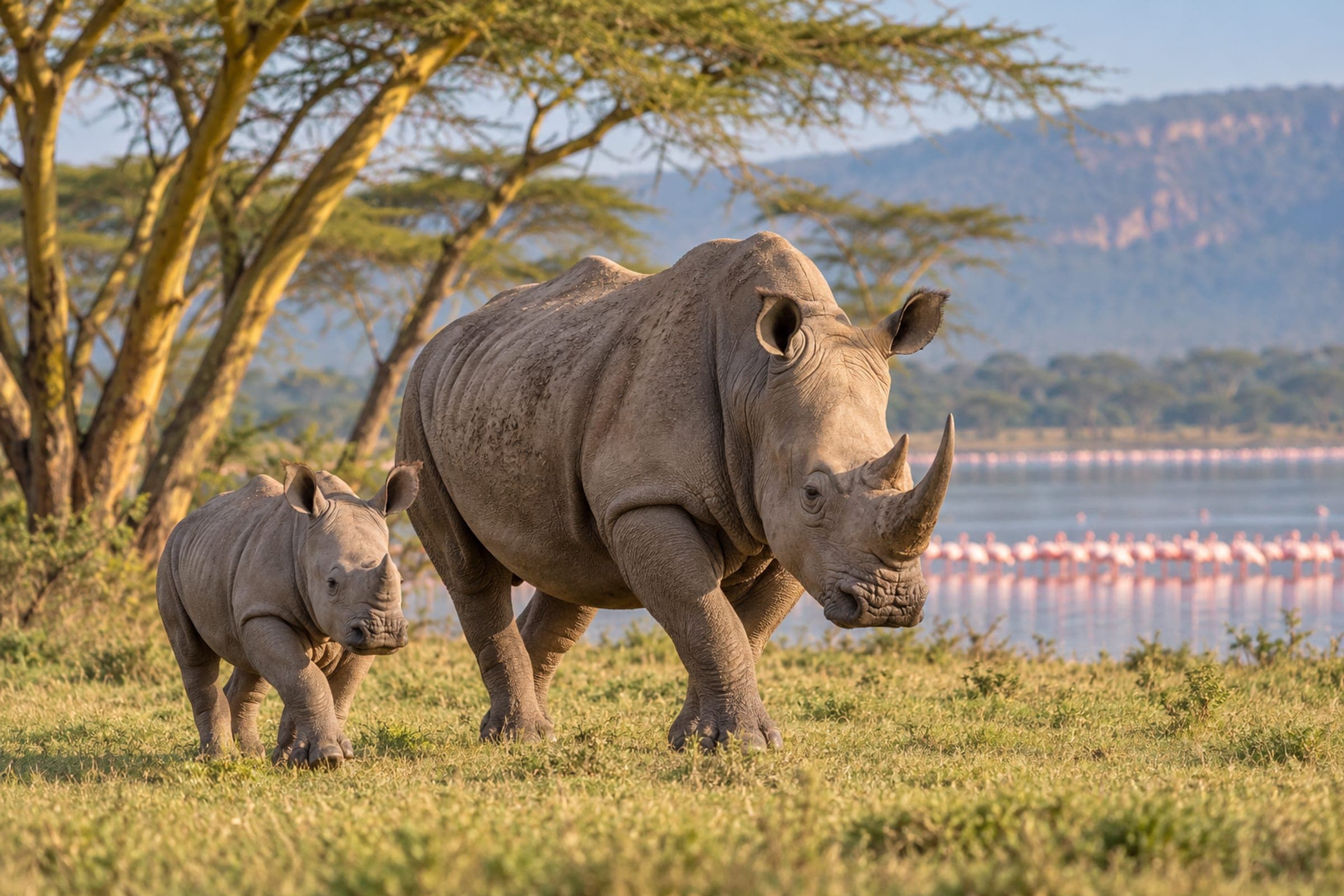
At the foot of Mount Kenya. Ol Pejeta has rhinos (including the world's last two northern white rhinos) and a chimpanzee sanctuary, and the wider Laikipia region offers camel treks and walking safaris.
White sand, warm water, snorkelling on the reef, and colobus monkeys in the trees. It's the ideal way to end a family safari.
A family safari route that works
Here's a 9-day route we love for families. Every drive is kept under about five hours, with something fun at each stop.
- 1–2NairobiGiraffes, baby elephants and a gentle start
Arrive, rest, then visit the Giraffe Centre and the Sheldrick elephant orphanage. Early bedtime.
- 3–4Lake NaivashaHippos, boats and walking with giraffes
A boat safari, a walk on Crescent Island, and a swim in the lodge pool. Older kids can cycle Hell's Gate.
- 5–7Maasai MaraThe heart of the safari
Morning game drives with a picnic breakfast, pool time at midday, and an afternoon drive. Add a visit to a Maasai village and, for children old enough, a sunrise balloon flight.
- 8–9Fly home, or on to the beachFly back to Nairobi, or on to Diani
Light aircraft from the Mara save a long drive at the end, when everyone is tired.
Twelve tips for a happy family safari
Your pace, your stops, your snack breaks. A private vehicle lets you head back to camp when the kids have had enough, without spoiling anyone else's drive.
Plan shorter game drives for younger children, with a long break in the middle of the day. Animals rest at midday too.
Many lodges offer family tents or connecting rooms. Pools are a big plus, and we can filter for both.
Children's binoculars are cheap and give kids a real job. Pair them with a printed animal checklist.
Familiar snacks help with fussy eaters and long stretches. Camps are good at simple food for children, too.
Ask about child-appropriate antimalarials, routine vaccines and sun protection. Long sleeves at dusk and repellent work well.
- Bring a booster seat for young children if you need one. Safari vehicles have seatbelts, but child seats vary.
- Book school holidays early. July, August and Christmas fill up 9 to 12 months ahead.
- Choose fewer parks. Three bases over nine days is perfect. Unpacking every night isn't.
- Let them be the guide. Kids are often the first to spot animals. Make it a game.
- Plan a downtime day in the middle of the trip. A pool afternoon is fine.
- Ask about Junior Ranger programmes. Several lodges run them, with tracking, bush skills and badges.
What it costs for children
Children pay lower park fees, and many lodges offer reduced rates for children sharing with parents.
Frequently asked questions
What is the best age to take kids on safari?
Six and older is usually ideal, because children can enjoy longer game drives and remember the trip. Younger children are welcome at many lodges, with shorter drives and plenty of downtime. Some activities have minimum ages: around 7 for balloon flights, 12 to 16 for walking safaris, and 15 for gorilla trekking.
Is Kenya safe for a family safari?
Yes. Kenya is one of Africa's most popular family safari destinations. With an organised safari you have a private driver-guide, vetted lodges and staff escorts at camp, and the main safari parks are well away from areas covered by travel advisories.
Are there malaria-free safari areas in Kenya?
Kenya's main safari parks are in malaria areas, though risk varies with altitude and season, and is lower in places like Nairobi and the Laikipia highlands. Speak to a travel clinic about child-appropriate antimalarials, and use repellent and long sleeves at dawn and dusk.
Do children pay park fees in Kenya?
Yes, at reduced rates. In 2026 non-resident children pay $45 per day at Amboseli and Lake Nakuru, and $50 per day in the Maasai Mara for ages 9 to 17. Younger children enter the Mara free.
What are the best family safari activities in Kenya?
Families love feeding giraffes at the Giraffe Centre, watching baby elephants at the Sheldrick Wildlife Trust orphanage, walking among giraffes on Crescent Island in Lake Naivasha, game drives in the Maasai Mara, and a few days on Diani Beach.