Pack light, pack neutral and pack in layers. Here's the interactive checklist our guides would hand a friend, including the 15 kg soft-bag rule for bush flights, the colours to avoid, and the small things people always wish they'd brought.
We've watched thousands of travellers climb out of their vehicles on the first morning. The over-packers are easy to spot. The under-packers are the ones shivering at 6 am in a T-shirt, because nobody told them the Mara is cold at dawn. Safari packing isn't complicated, but it is specific. Here's everything we'd tell a friend.
The golden rule: soft bags, 15 kg
If your safari includes a light-aircraft flight, say from Nairobi's Wilson Airport to the Maasai Mara or Samburu, your luggage allowance is usually 15 kg per person, including hand luggage, in a soft bag. The planes are small, and hard suitcases don't fit in the hold. Coastal routes such as Diani or Zanzibar often allow 20 kg.
What to wear on safari
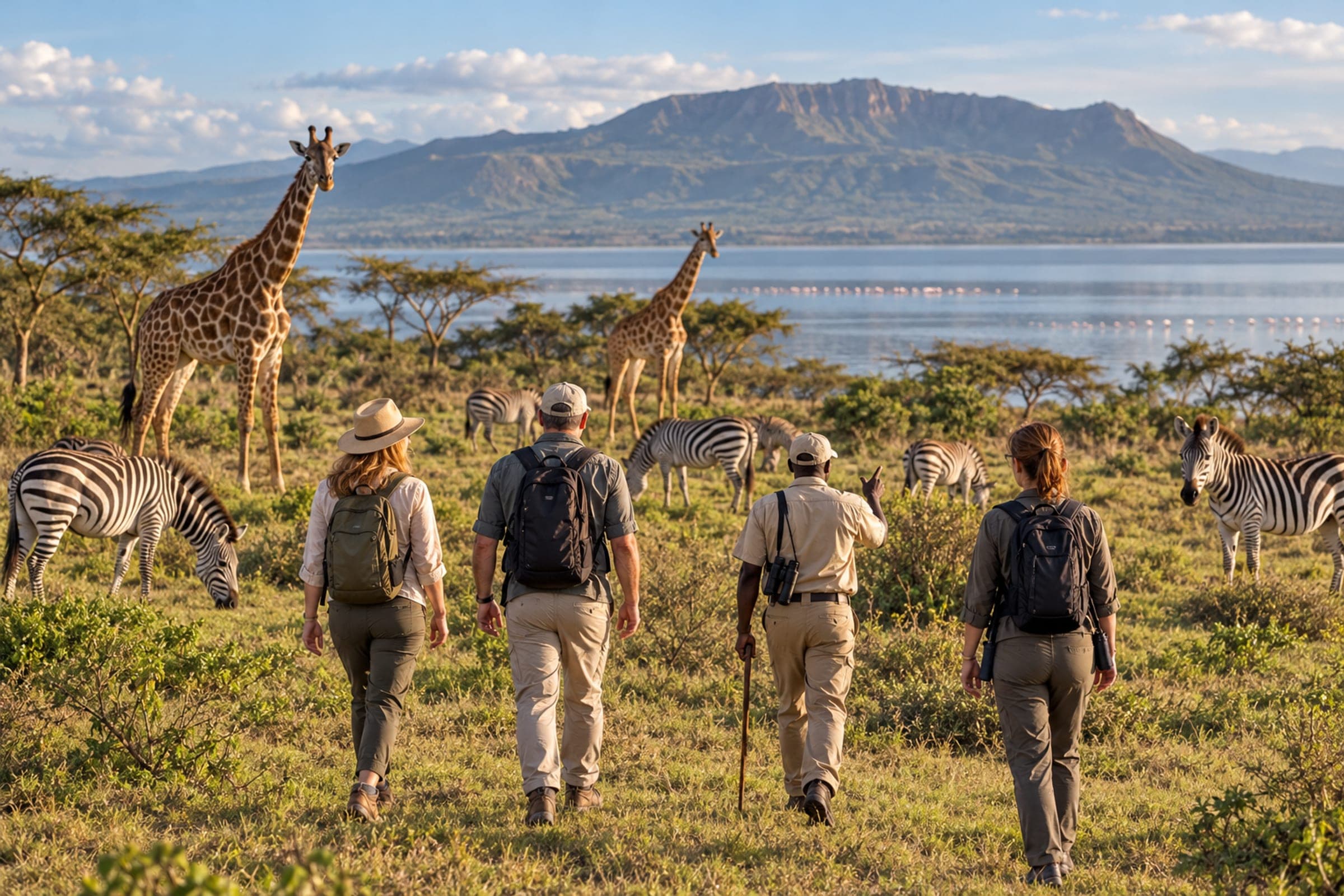
Earthy tones blend into the bush and hide dust. Avoid bright white (it gets filthy in an hour) and, in tsetse fly areas such as parts of Tsavo and Tanzania, dark blue and black, which attract the flies.
Camouflage clothing is associated with the military and is restricted in several African countries. It's simply not worth the hassle at a border.
Highland parks such as the Mara can be around 10–12°C (50–54°F) at dawn in July and close to 28°C (82°F) by lunch. A fleece over a long-sleeved shirt over a T-shirt covers it all.
Your interactive packing checklist
Tick items off as you pack. Your progress saves on this device, so you can come back to it.
Five things people always wish they'd packed
Sharing one pair means missing the leopard in the tree while you wait your turn. One pair each makes a huge difference.
Open vehicles at 6 am, with the wind across the plains, are genuinely cold. Many camps provide blankets and hot water bottles, but a fleece is better.
Fill a light beanbag with rice or beans in Nairobi. It steadies a long lens on the vehicle window far better than a tripod.
Many East African camps, for cultural reasons, don't launder underwear. A small bottle of travel wash solves it.
You'll see 50 species in a day and forget half of them by dinner. Your guide will happily help you write your list.
What not to bring
- Plastic carrier bags. Kenya banned them in 2017, and they can be confiscated on arrival.
- Drones. You need a Kenya Civil Aviation Authority permit, and drones are prohibited in national parks.
- Hard-shell suitcases, if you're flying to the bush.
- Expensive jewellery. You won't need it, and it's one less thing to worry about.
- Too many shoes. One pair for walking, one for camp. That's it.
Frequently asked questions
What is the luggage limit for safari flights in Kenya?
Most light-aircraft safari flights in Kenya, such as Wilson Airport to the Maasai Mara, allow 15 kg per person including hand luggage, in soft-sided bags. Some coastal routes allow 20 kg. Extra baggage can sometimes be bought in advance, or stored at Wilson Airport.
What colours should you not wear on safari?
Avoid bright white, which shows dust; dark blue and black in tsetse fly areas, as they attract the flies; and camouflage, which is associated with the military and restricted in several African countries. Khaki, olive, tan and grey are ideal.
Is it cold on safari in Kenya?
Early mornings and evenings can be cold, especially in the Maasai Mara and other highland parks, at around 10 to 12°C (50 to 54°F) in June to August. Afternoons are warm, often 25 to 28°C. Pack layers and a warm fleece.
What plug adapter do I need for Kenya?
Kenya uses Type G sockets, the same three-pin style as the United Kingdom, at 240 volts. Bring a universal adapter if you're visiting several countries.
Can I do laundry on safari?
Yes. Most lodges and camps offer a laundry service, often included at mid-range and luxury camps. Many camps don't wash underwear for cultural reasons, so bring travel wash for smalls.